

No. 4340 (Radiodyne & Model 10) & 4600
Model 10 - Type 4340 Radiodyne
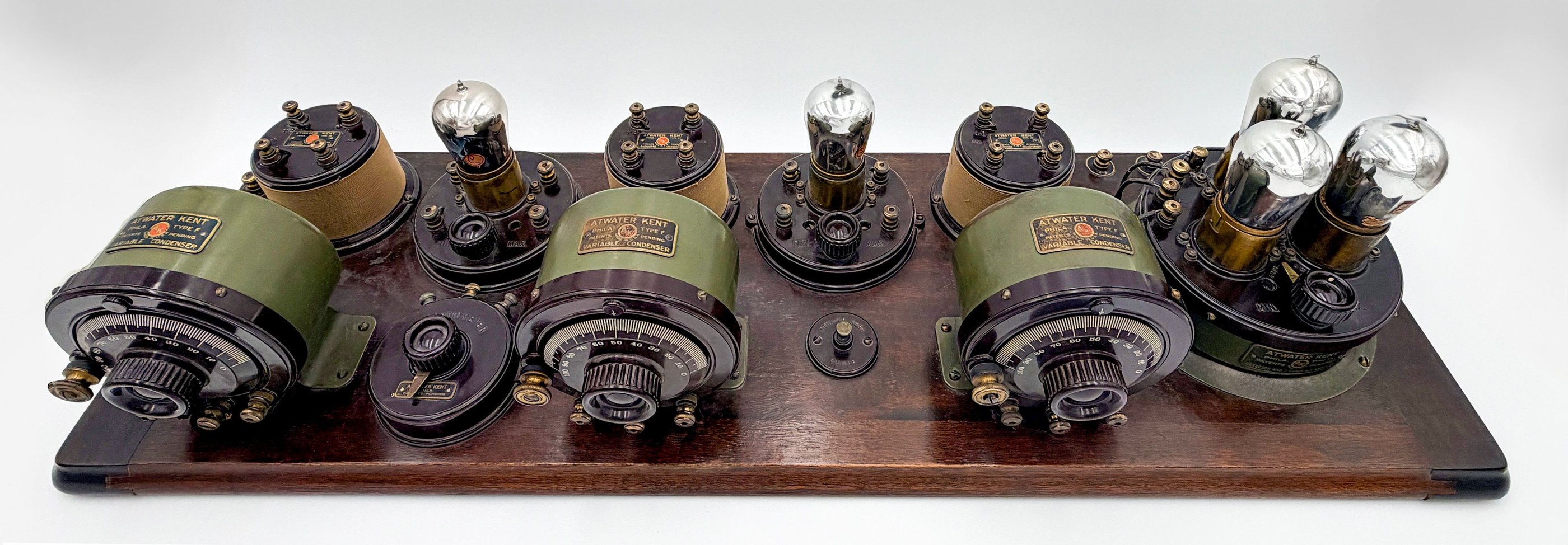
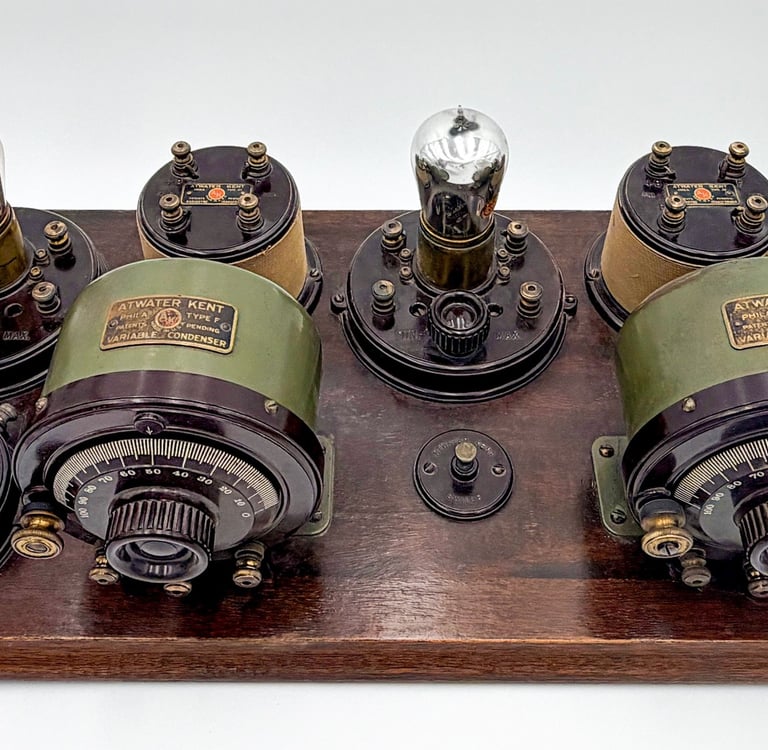
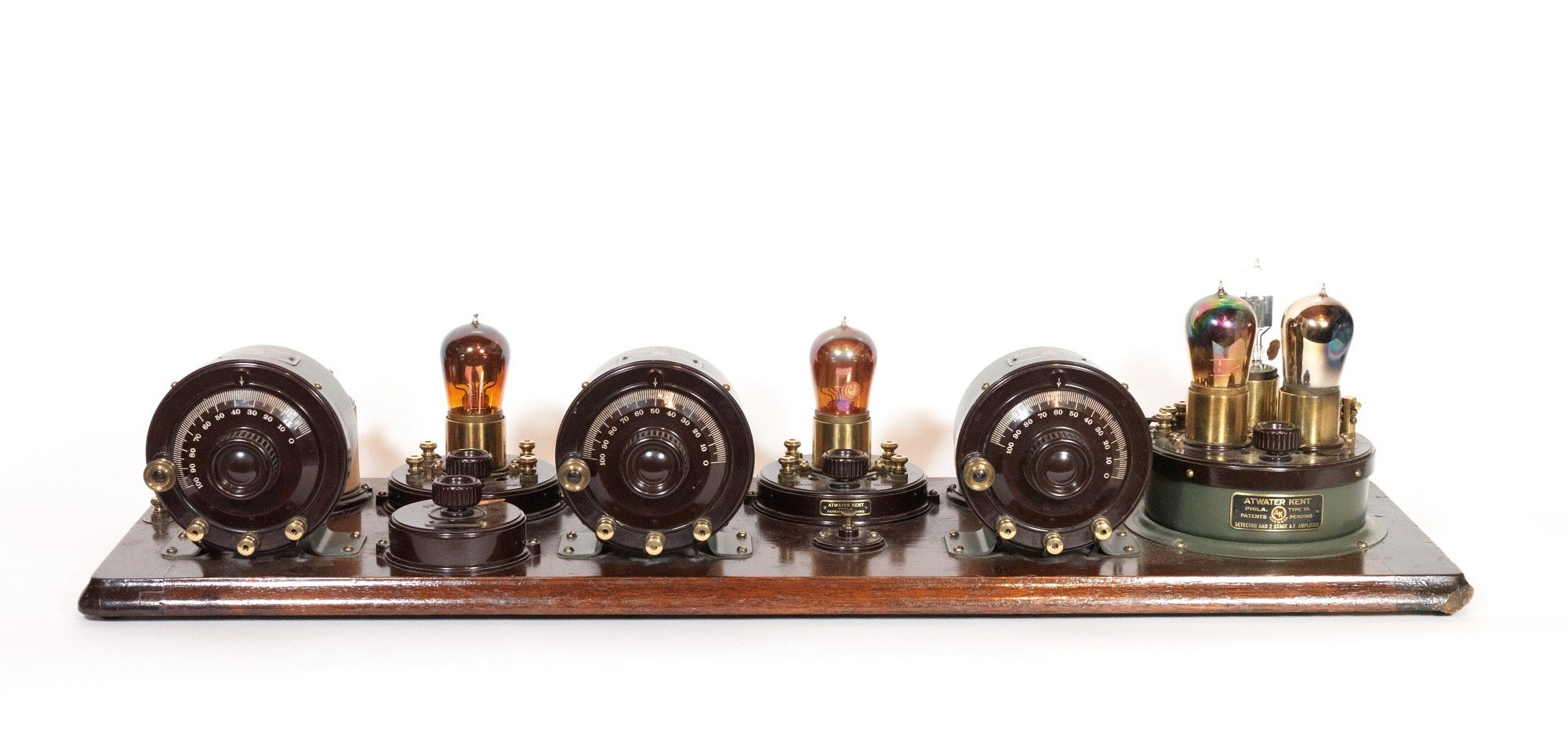
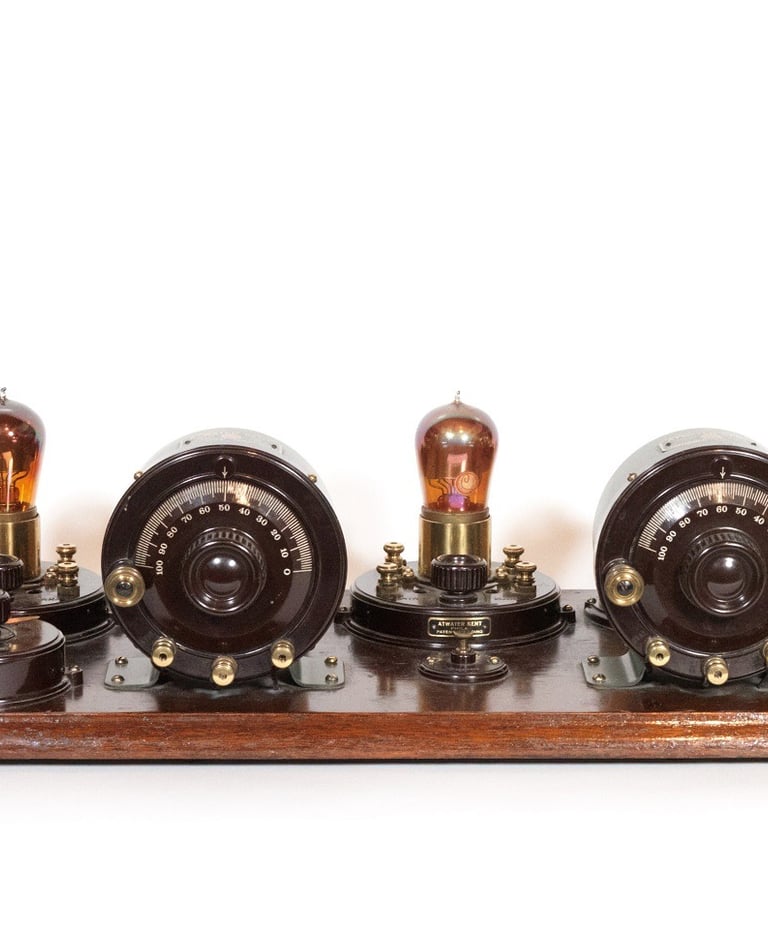
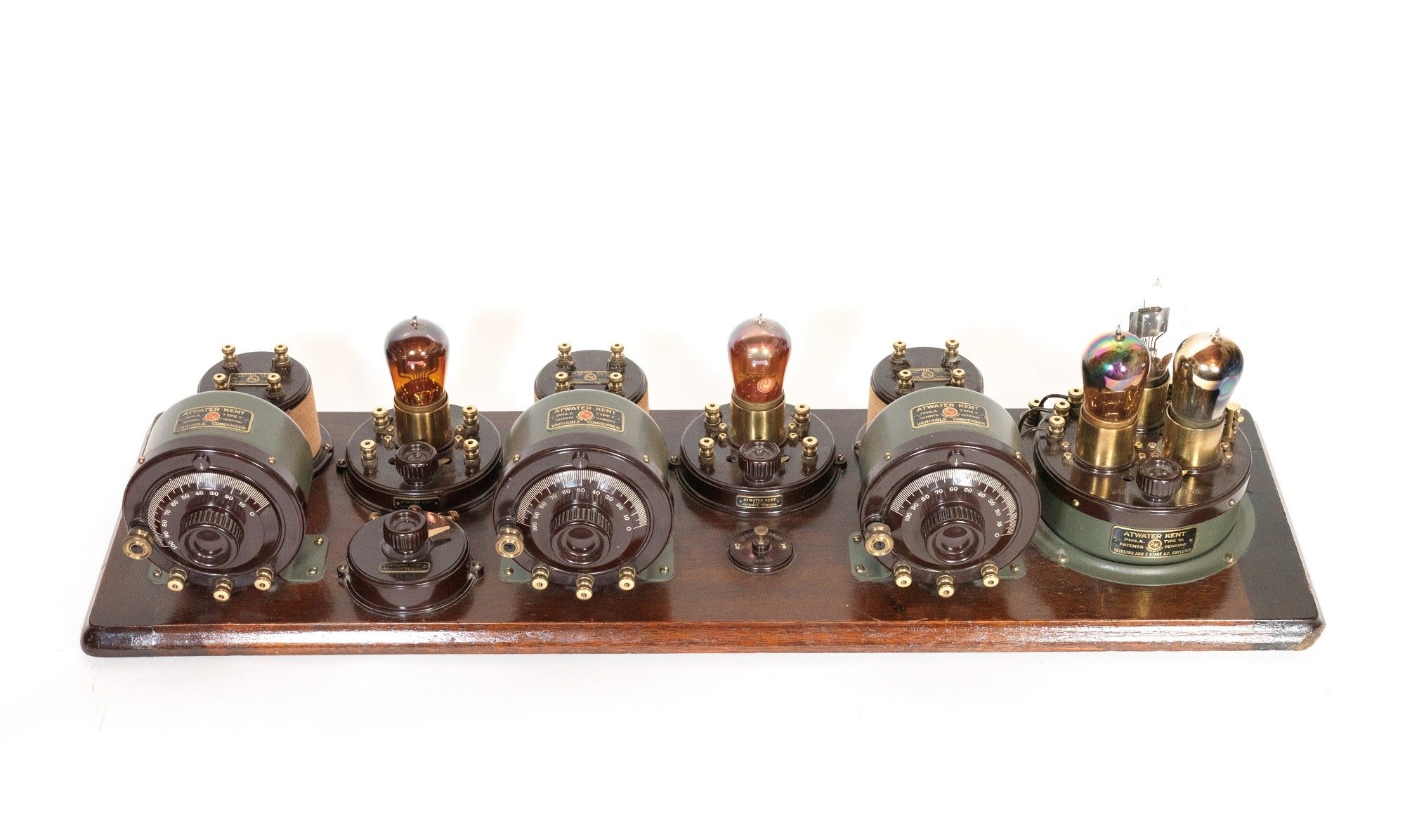
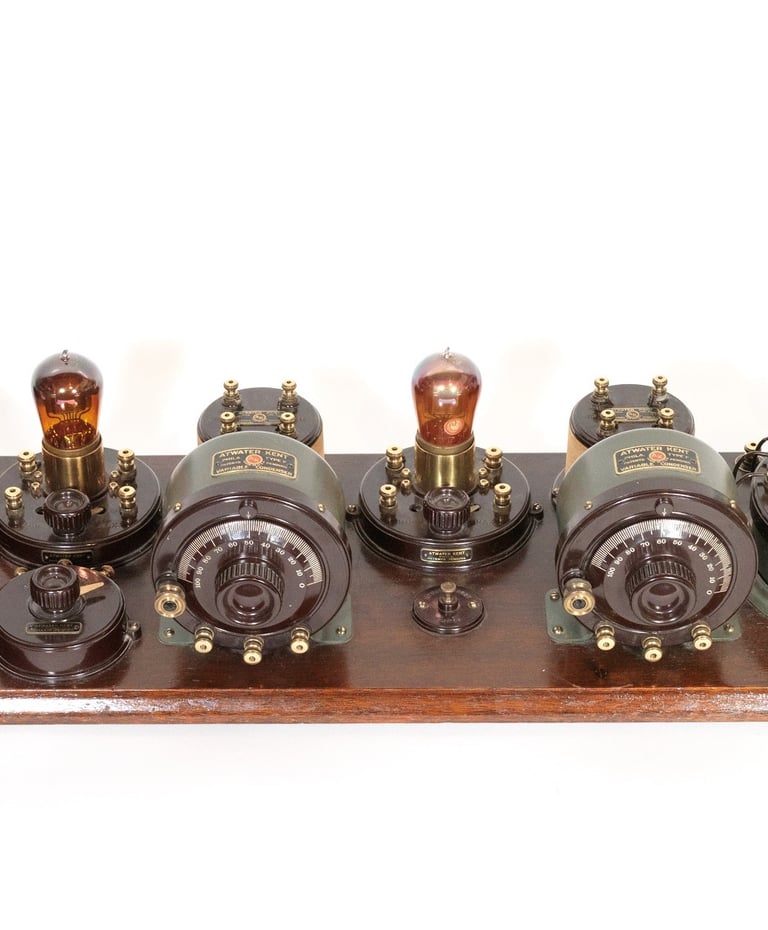
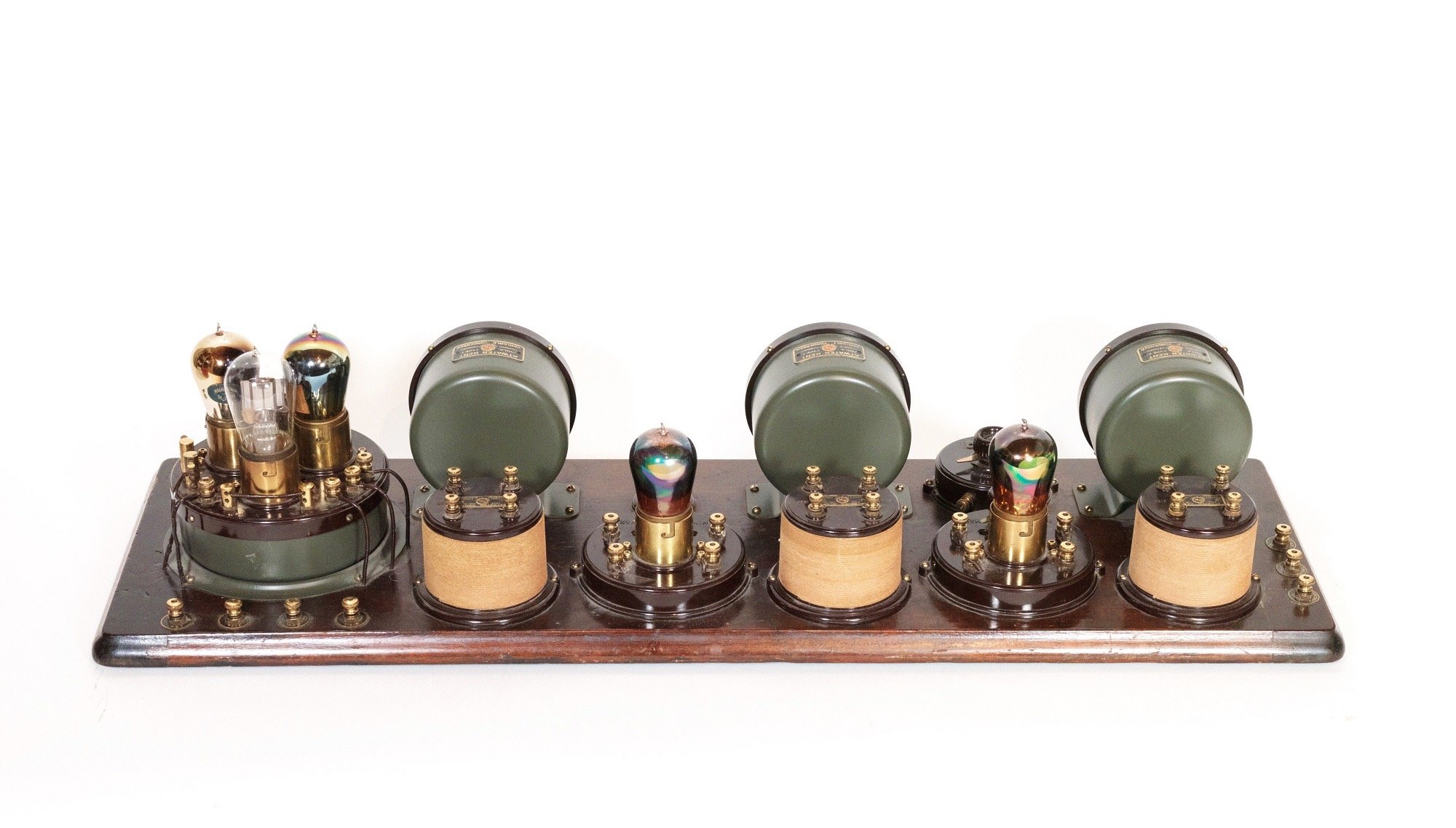
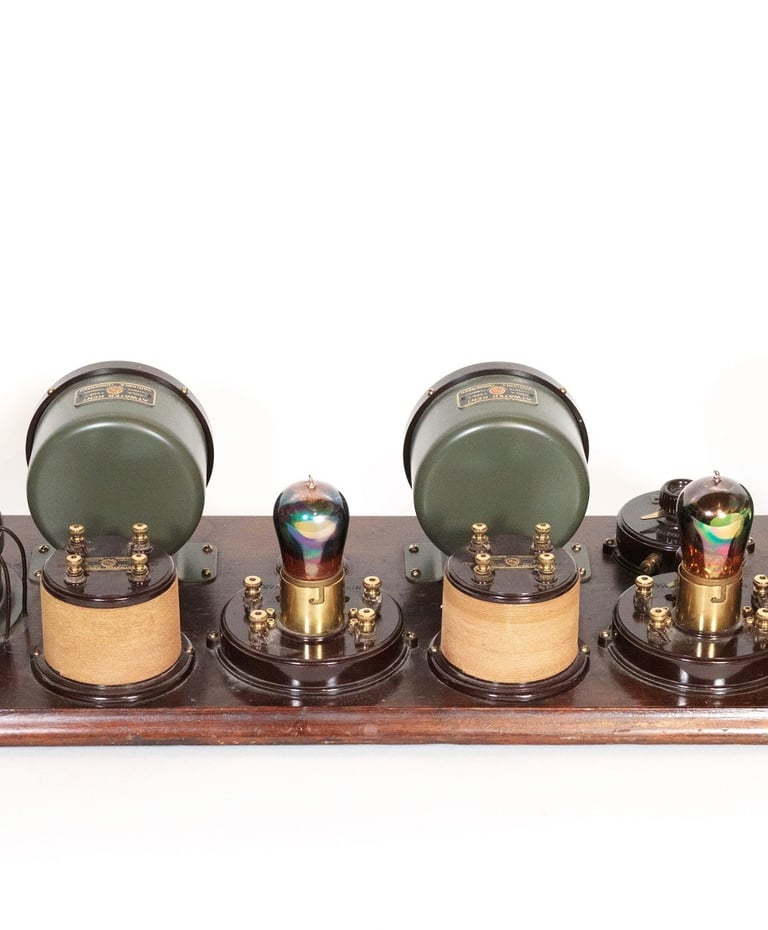
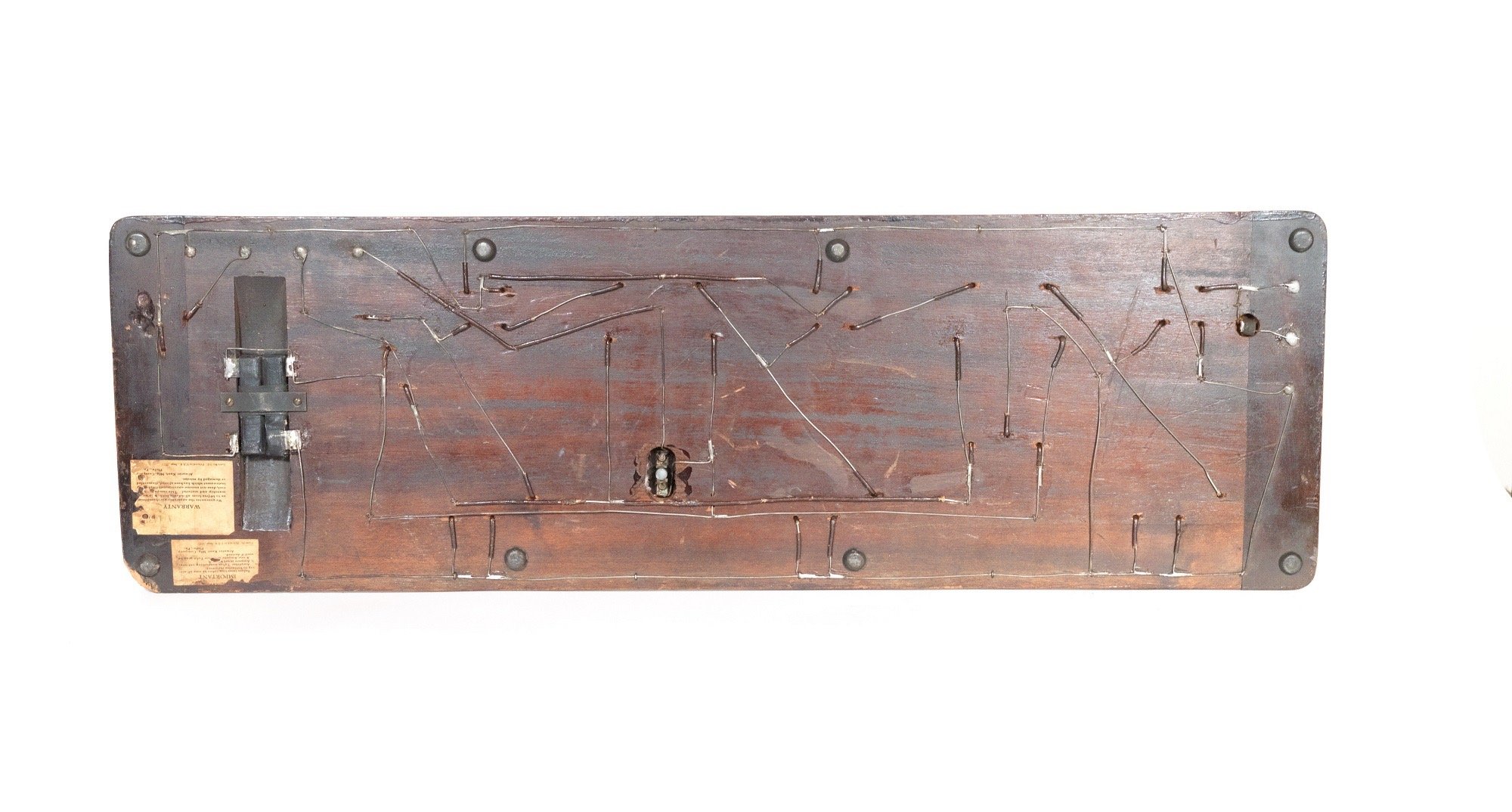
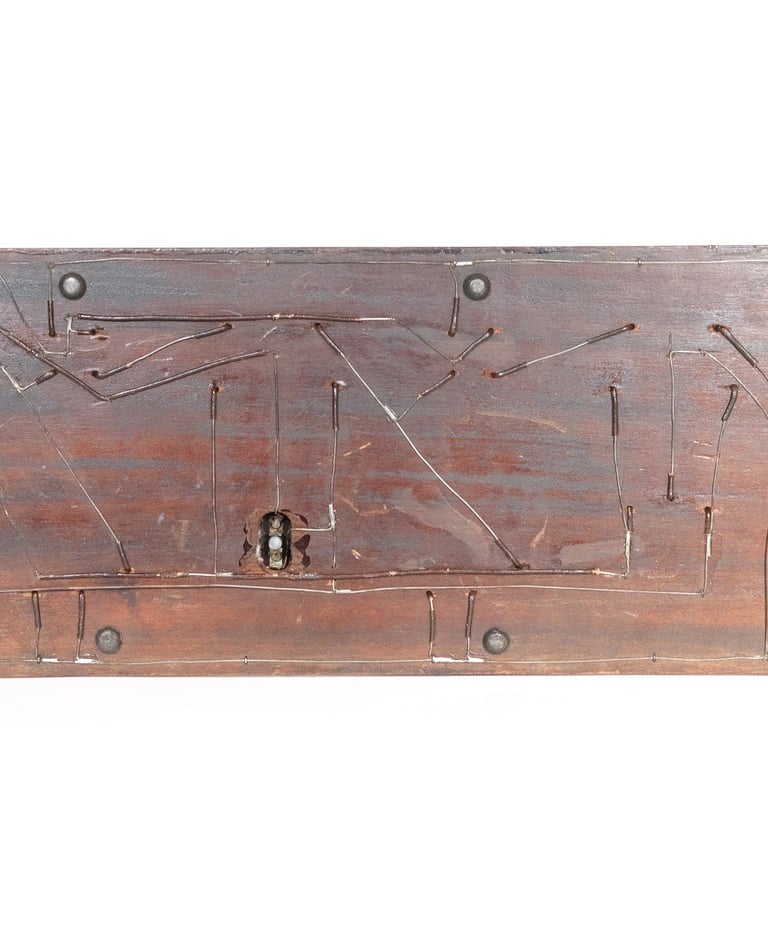
Radiodyne Image Courtesy of Grant Kornberg, Technogallerie
Radiodyne Image Courtesy of Grant Kornberg, Technogallerie
Radiodyne Image Courtesy of Grant Kornberg, Technogallerie
Radiodyne Image Courtesy of Grant Kornberg, Technogallerie
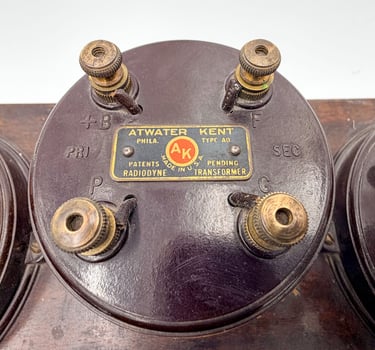
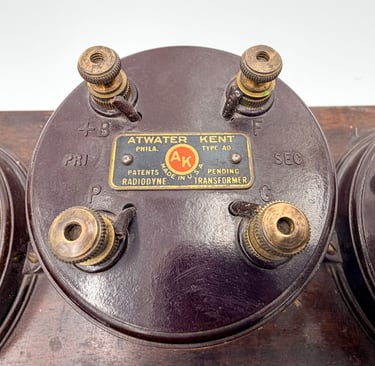
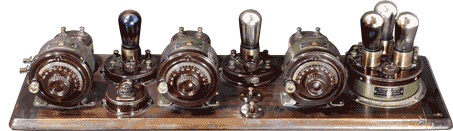
Radiodyne Image Courtesy of John Jenkins | Visit the SparkMuseum!


Radiodyne from the collection of the CHRS | California Historic Radio Society
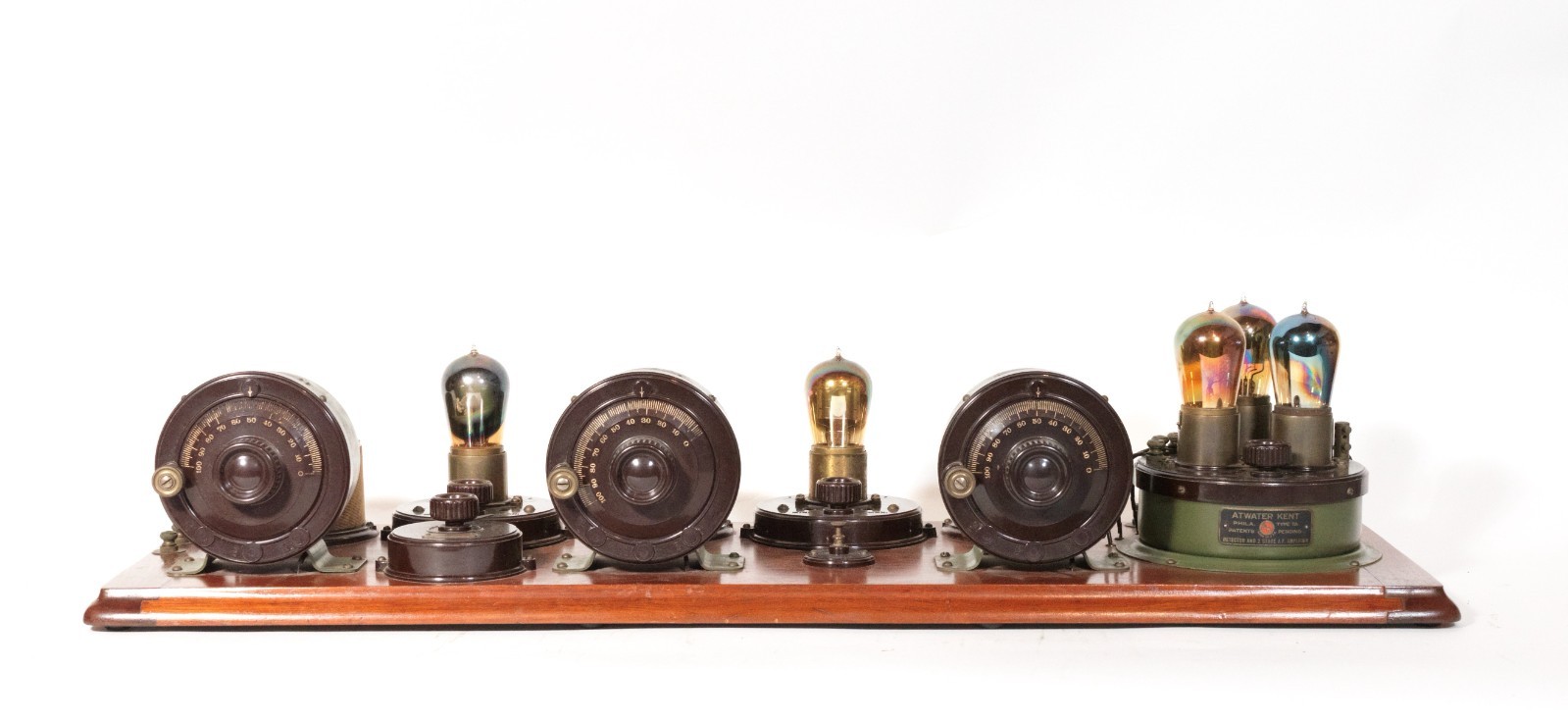
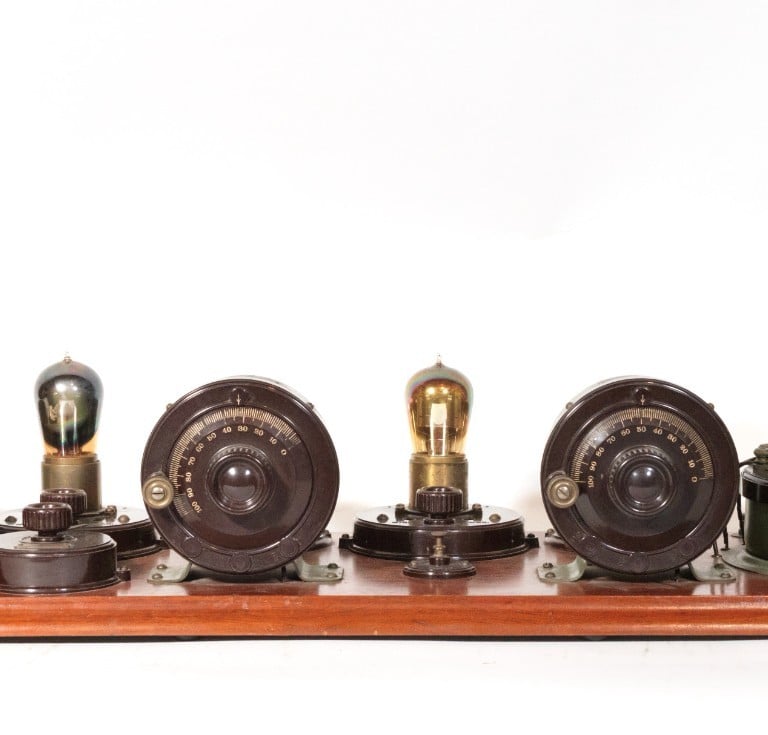
No. 4340 Model 10 Image Courtesy of Grant Kornberg, Technogallerie
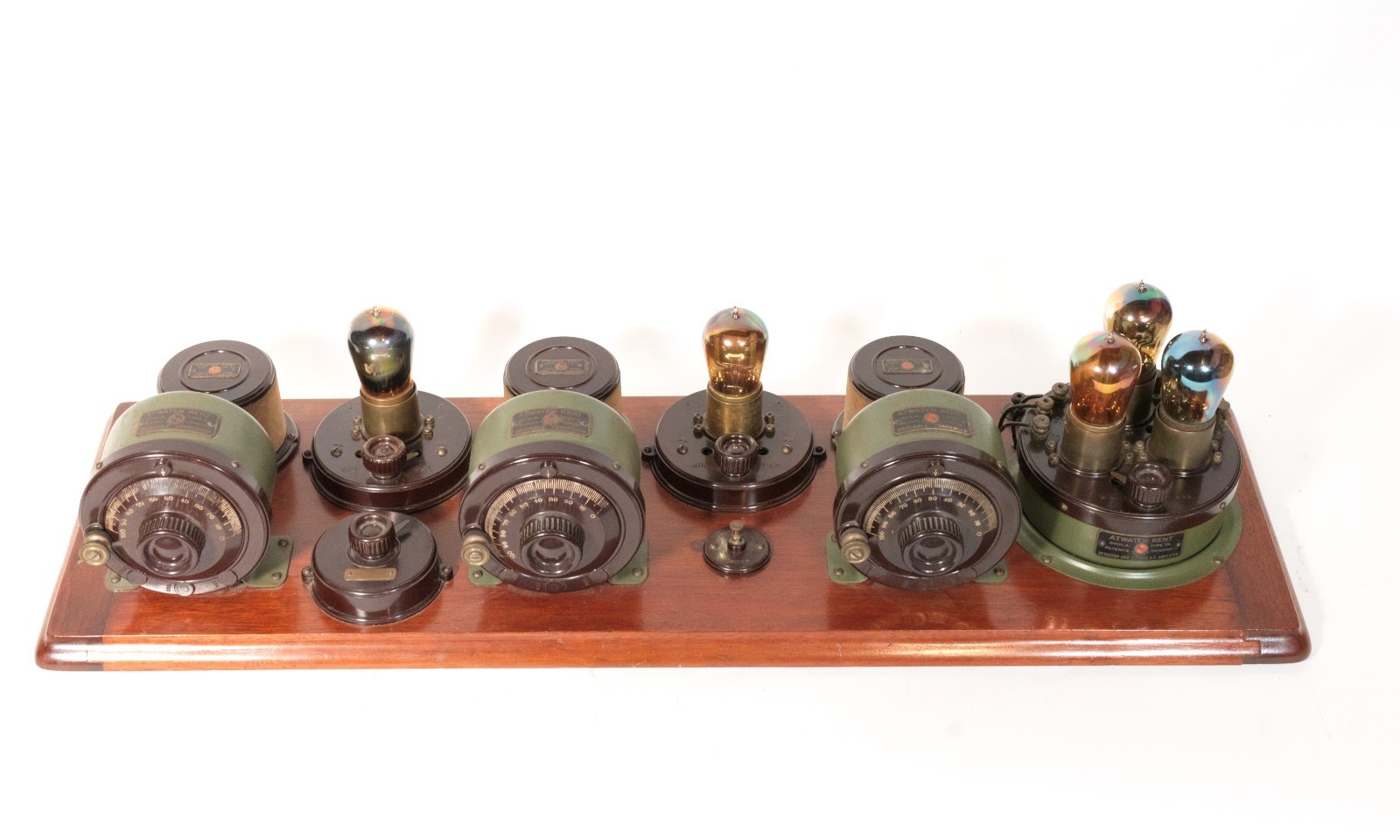
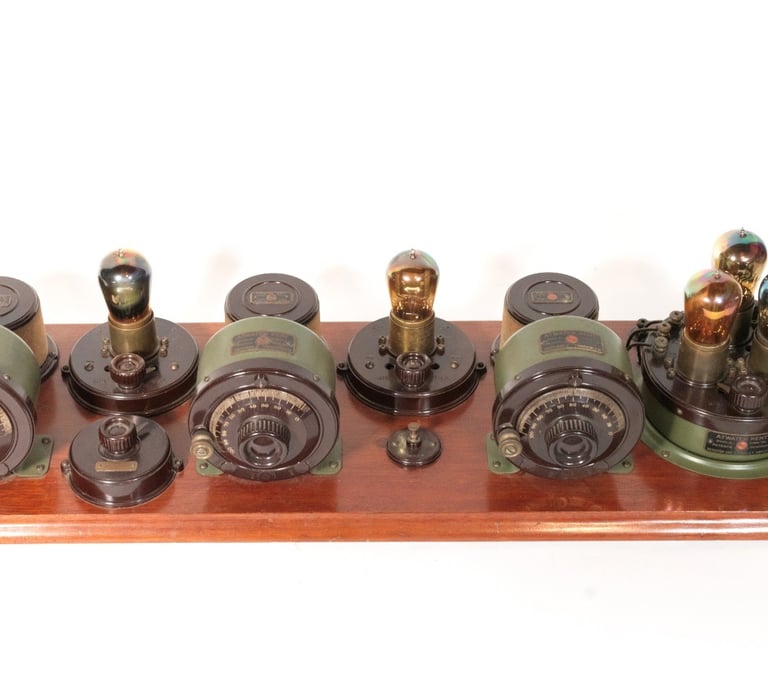
No. 4340 Model 10 Image Courtesy of Grant Kornberg, Technogallerie
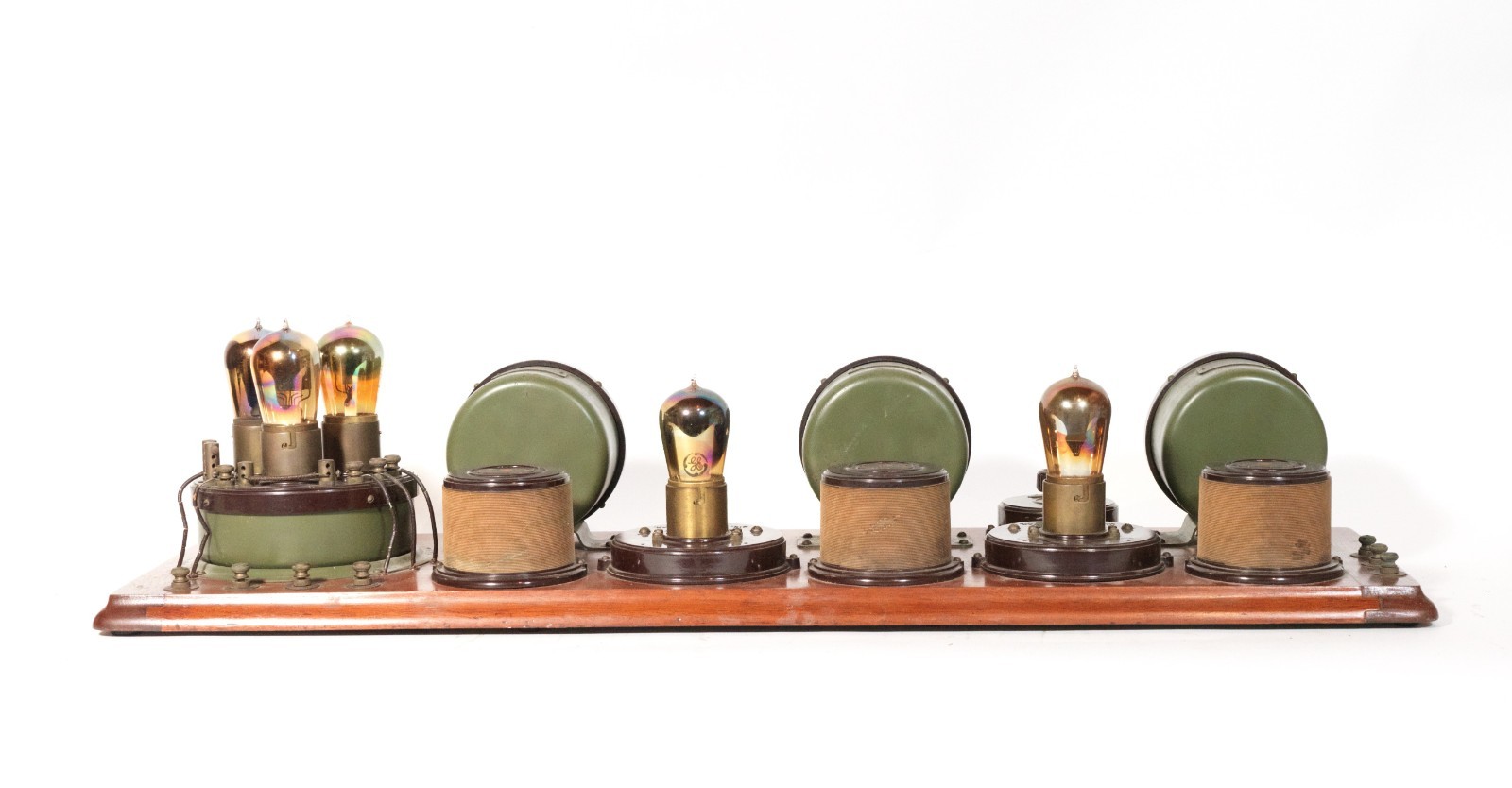
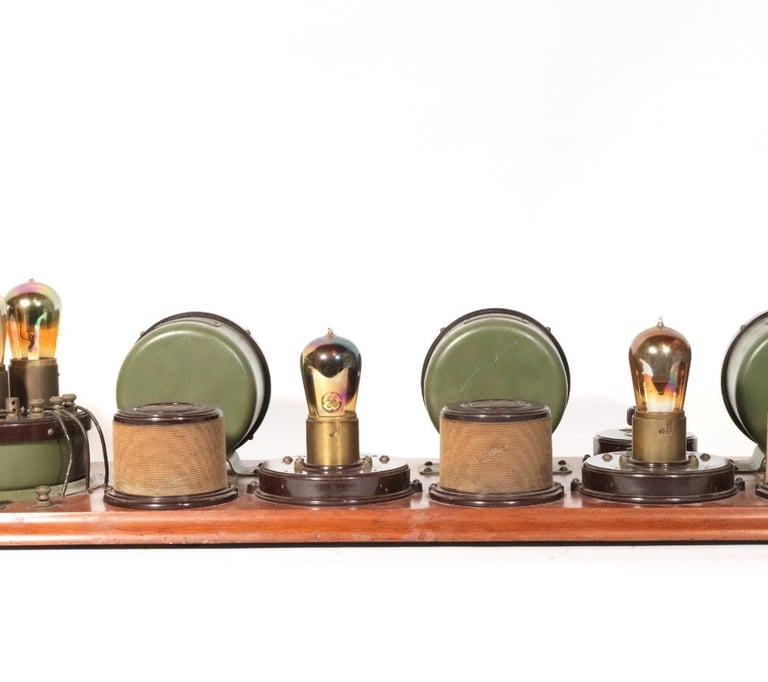
No. 4340 Model 10 Image Courtesy of Grant Kornberg, Technogallerie
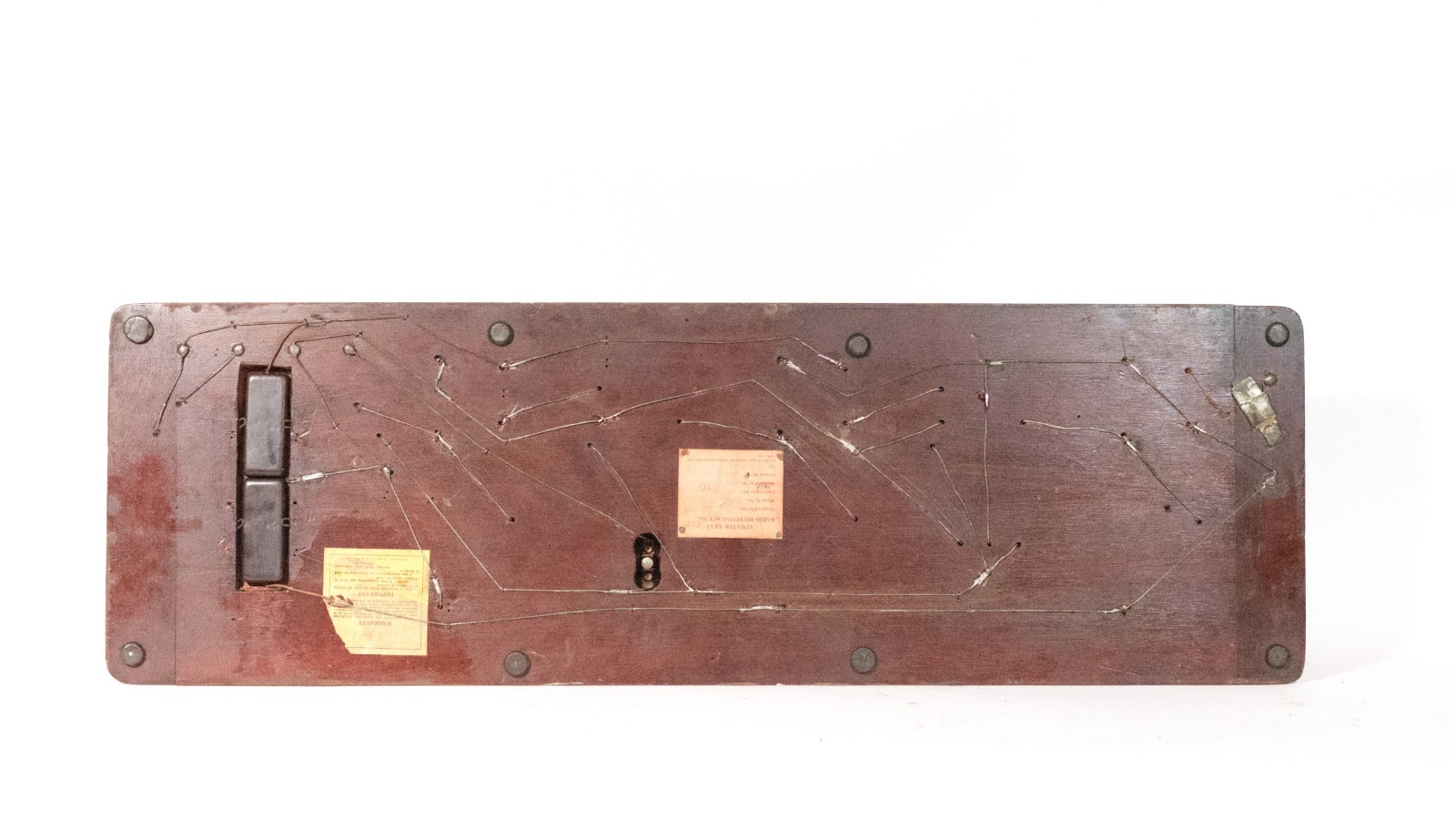
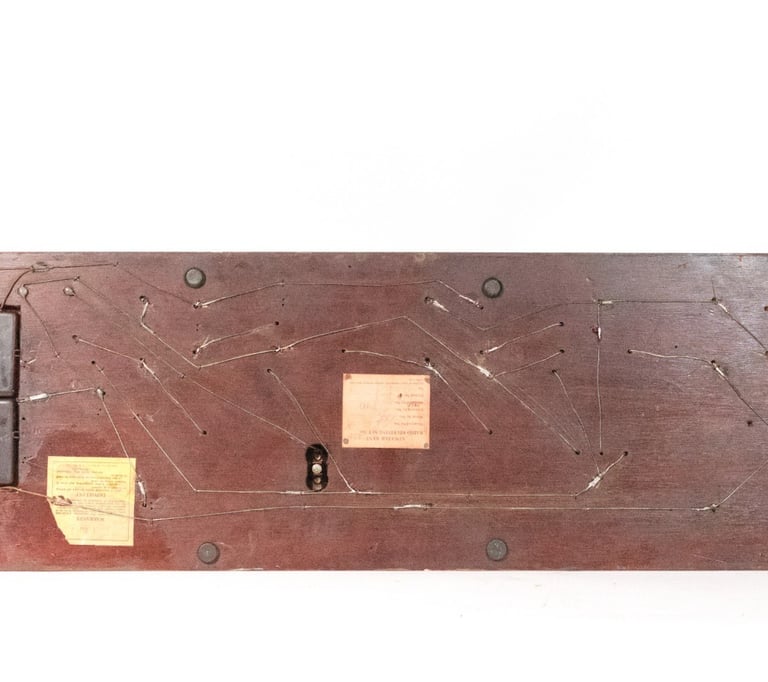
No. 4340 Model 10 Image Courtesy of Grant Kornberg, Technogallerie
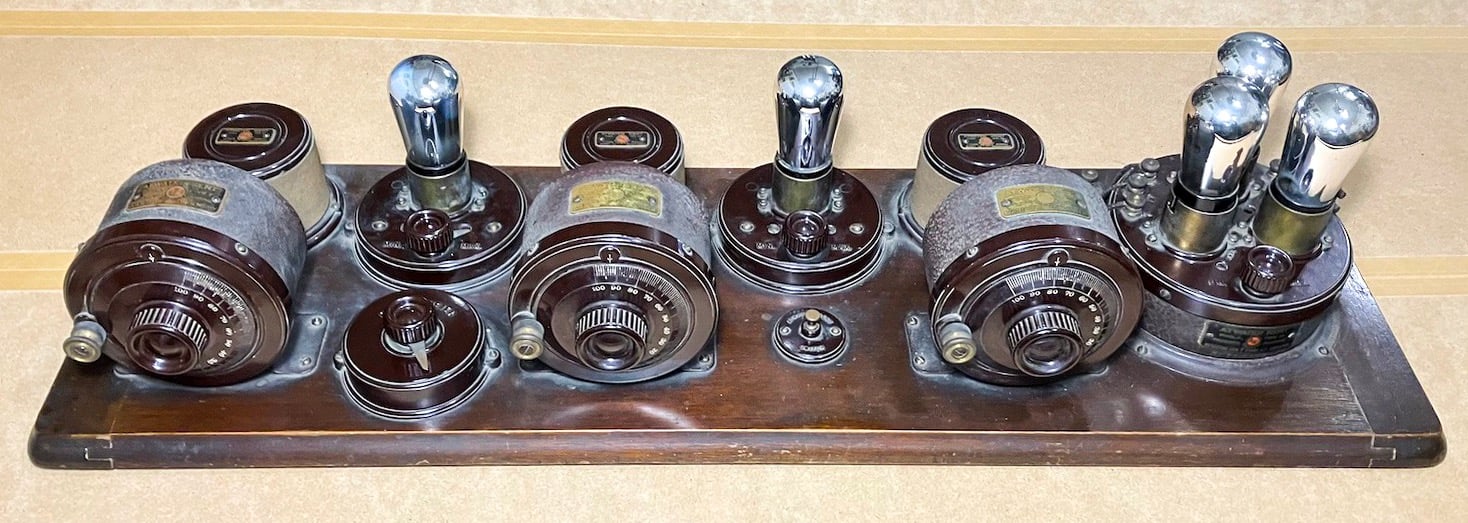
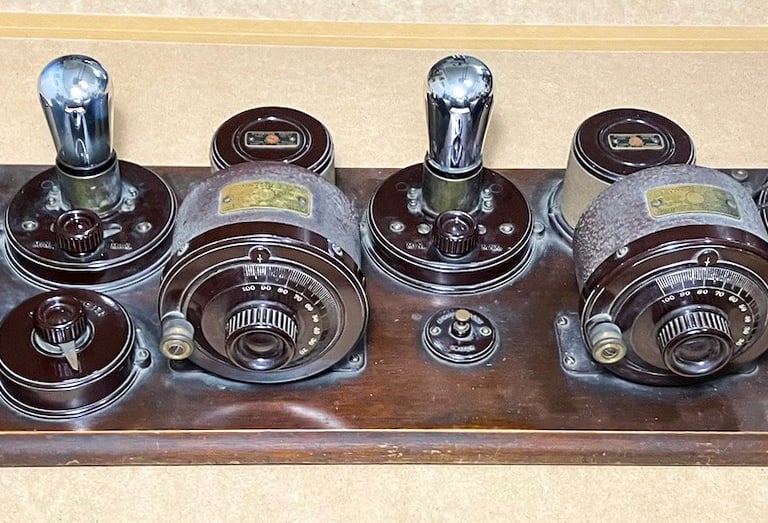
Model 10 No. 4600 - From the Maurice Greeson collection
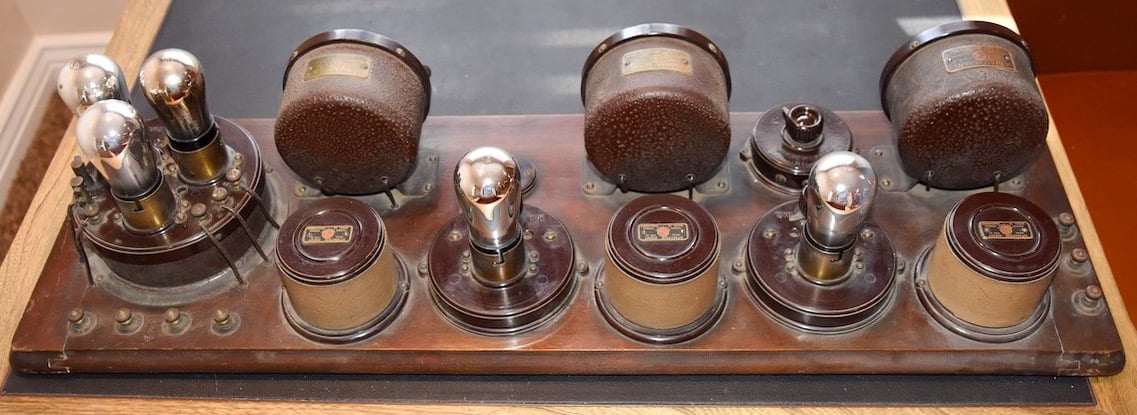
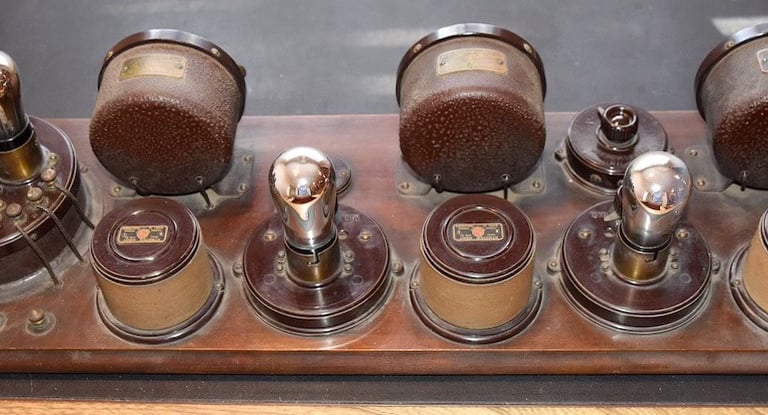
Model 10 No. 4600 - From the Maurice Greeson collection
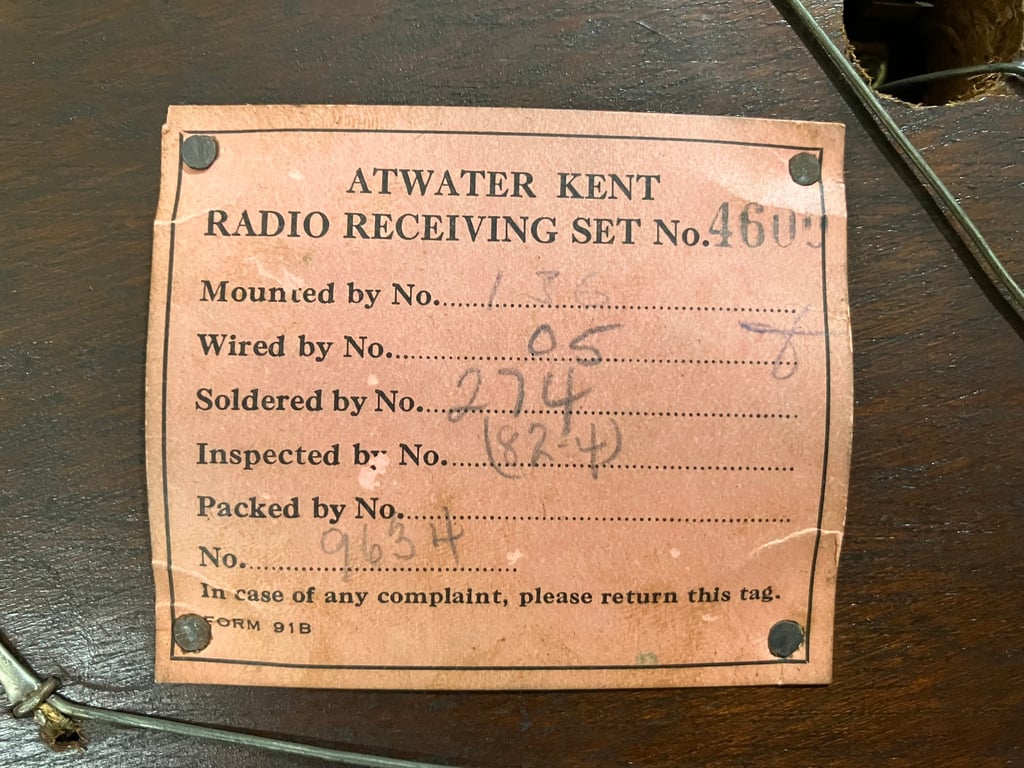
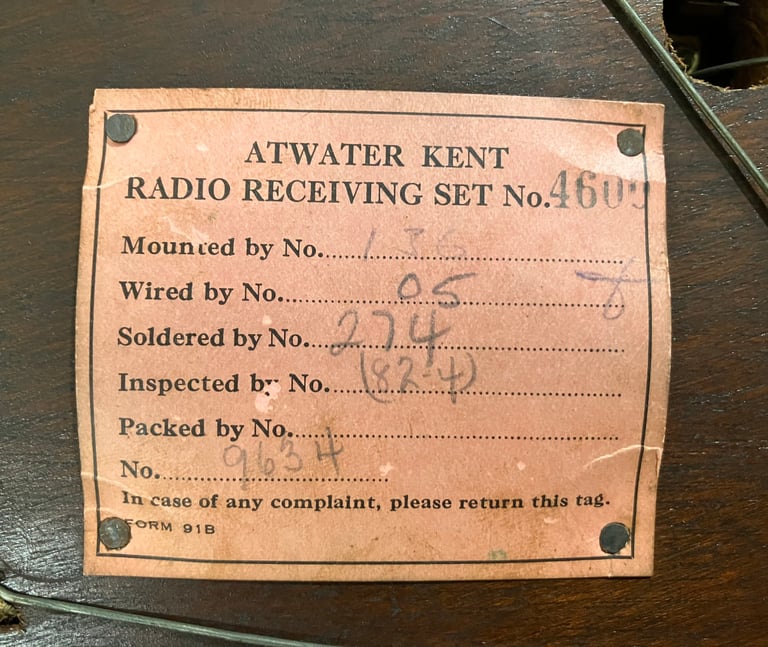
Model 10 Tags from No. 4600 - From the Maurice Greeson collection
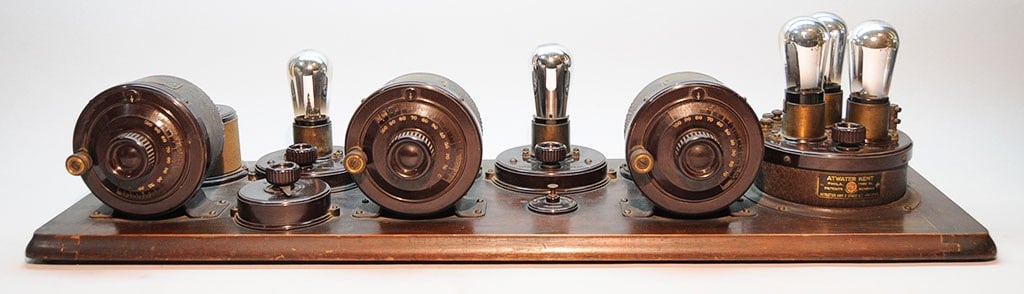
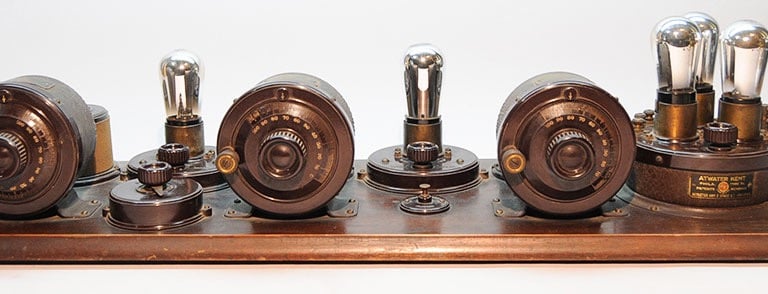
Model 10 No. 4600 - From the Maurice Greeson collection

Model 10 No. 4600 - From the Maurice Greeson collection
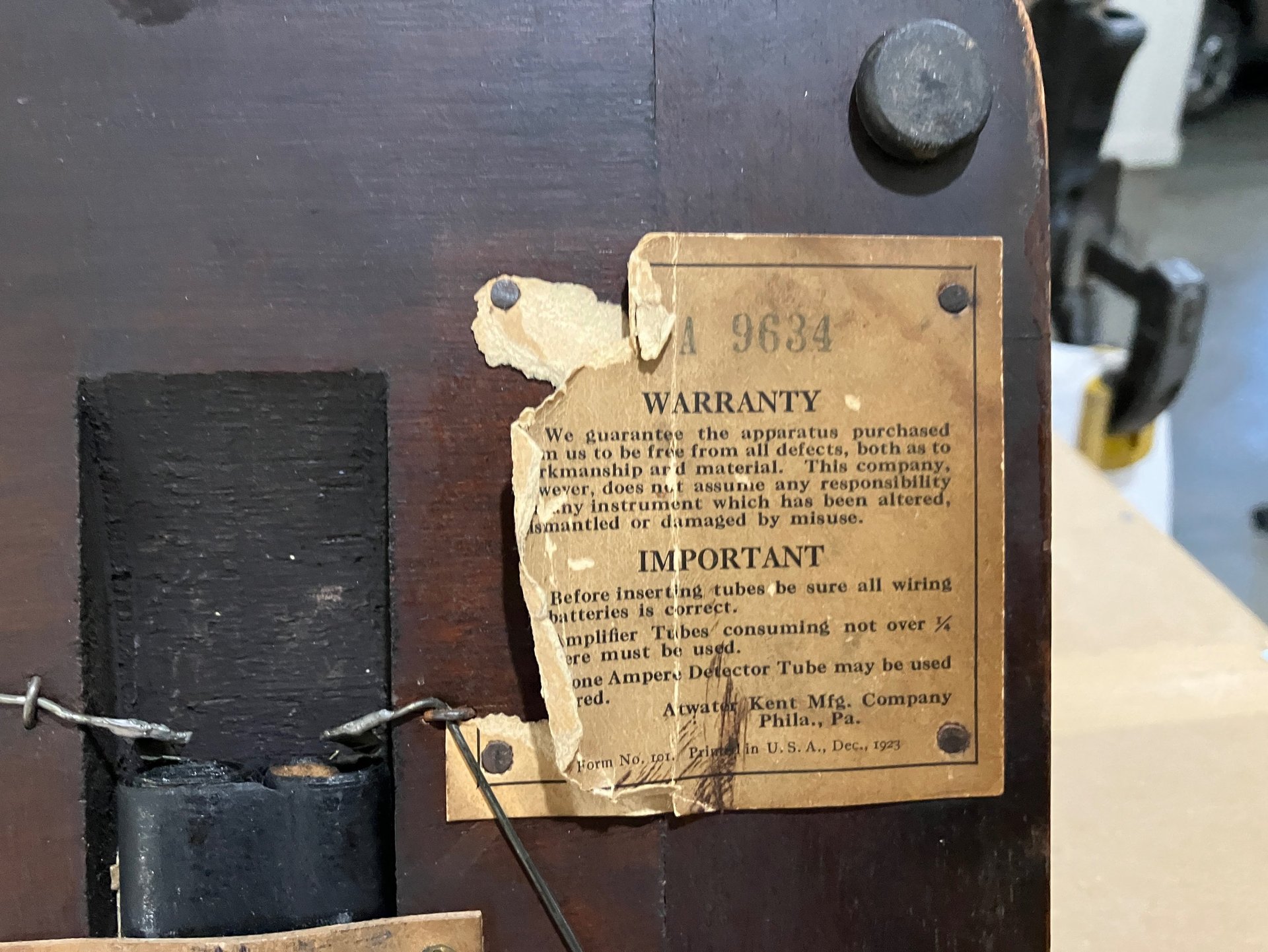
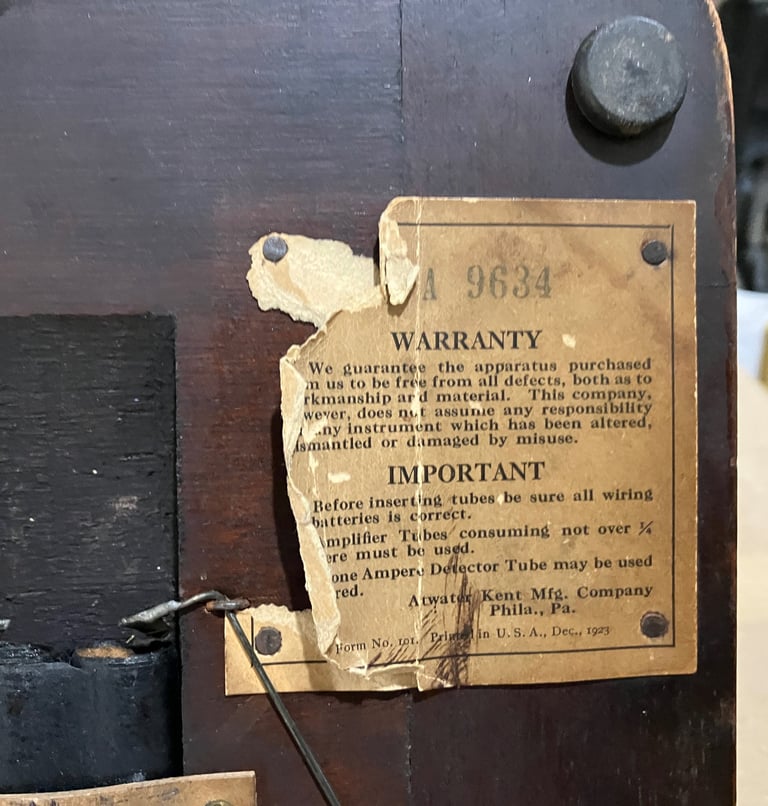
The Atwater Kent No. 4340 Model 10 Receiving Set, initially marketed as the Radiodyne, was a monumental technical breakthrough for the company, introduced on September 7th, 1923 with an original retail price of approximately $88.00 (excluding tubes). This five-tube breadboard was hailed as the "Wonder Set" for its dramatically improved performance, utilizing a Tuned Radio Frequency (TRF) circuit with three independently tuned stages. Its tube line-up typically consisted of five Type 01A tubes (or four 01A and one 00A detector).
The Model 10 represented Atwater Kent’s first successful shift from inductive (coil-based) tuning to capacitive tuning, featuring three large, variable condensers (the three dials). The initial "Radiodyne" name, which is stamped on the coil tops of the earliest production run, was dropped quickly, after only 8 or 9 weeks, due to a trademark conflict and a threatened lawsuit from the Western Coil Company, which already owned the rights to the name. The rarity of the Model 4340 with the "Radiodyne" labels makes it one of the most historically desirable and valuable sets for collectors.
Later Model 10 sets used gray (green), brown or black components, the final part No. 4600, used brown components exclusively. Board dimensions 31.5" x 10".
Type 4340 "Radiodyne" stamped tuning coils
© 2026 Atwaterkent.org. All Rights Reserved. [Terms of Use] [Privacy Policy] [Mobile Page] [CONTACT]