

NO. 4445/4445A (Model 9 & 9A)
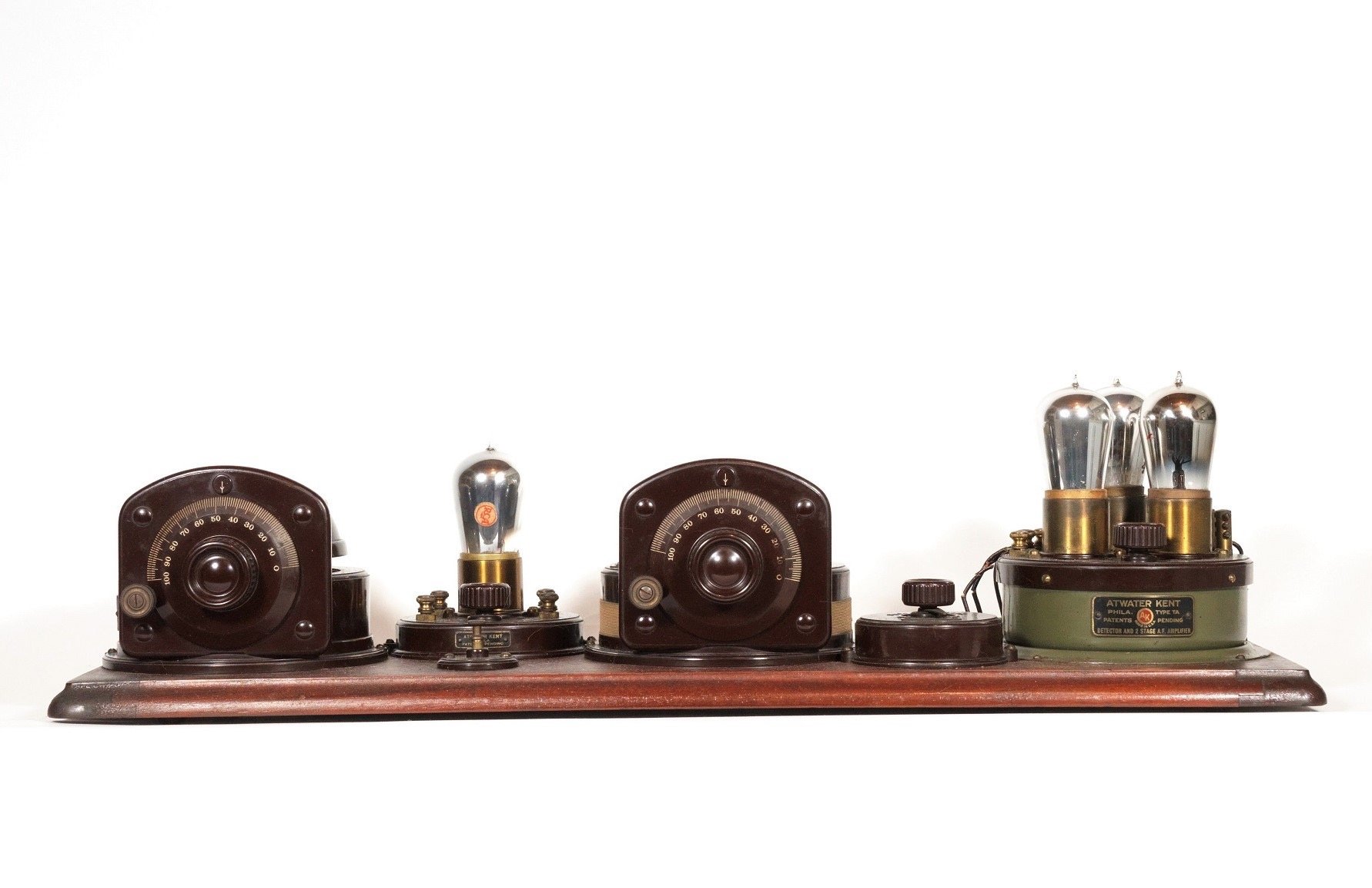
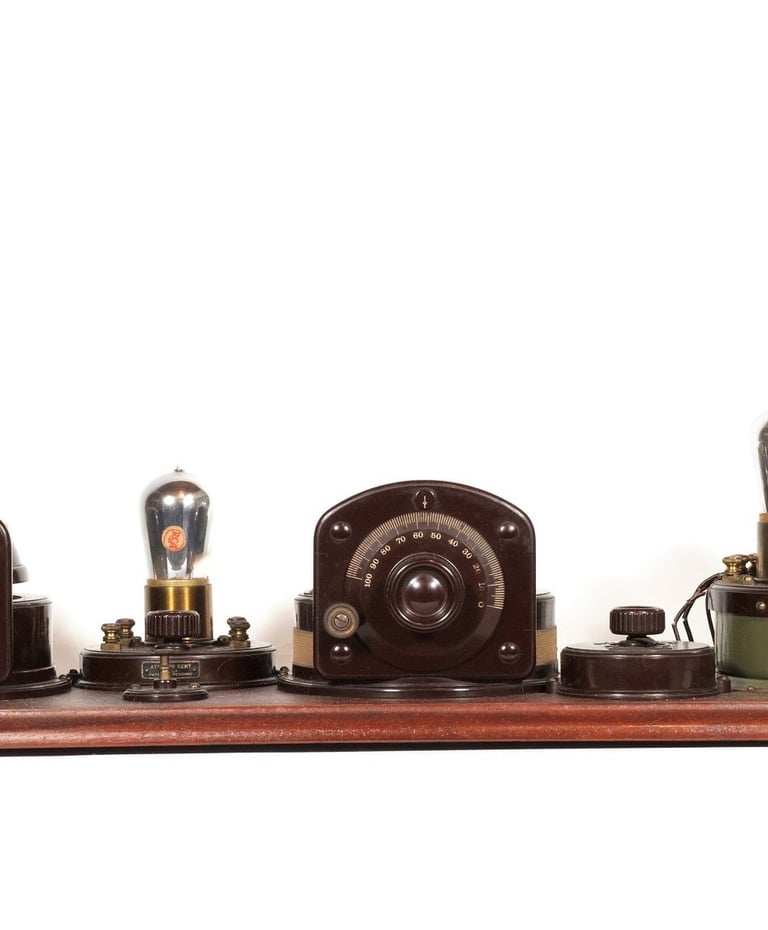
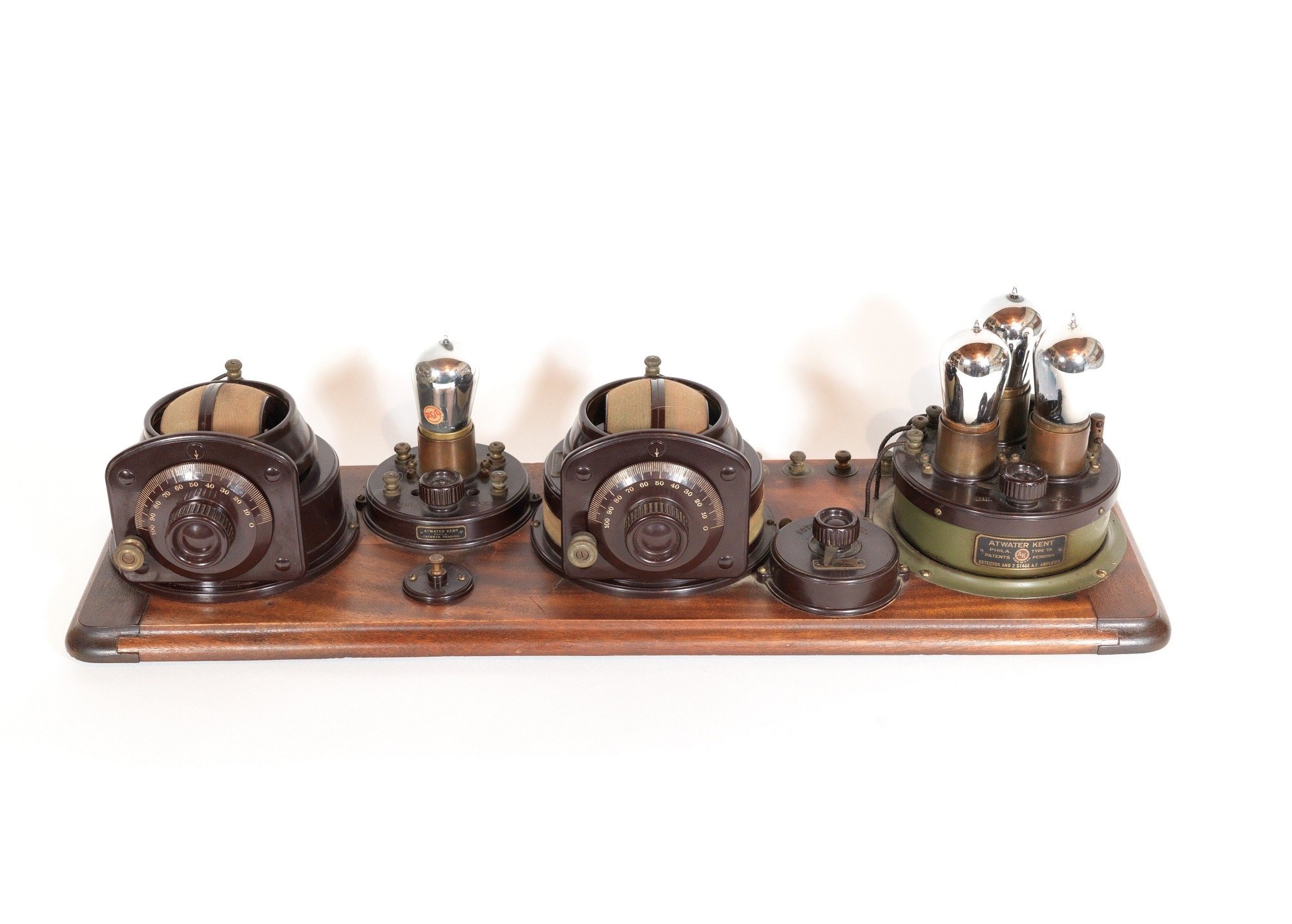
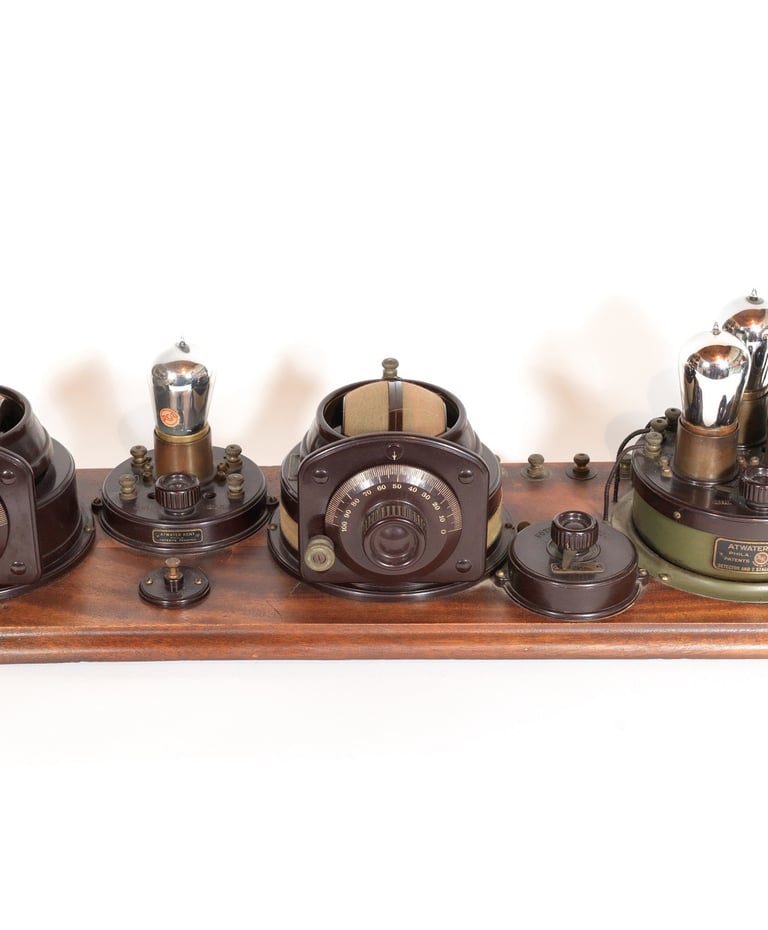
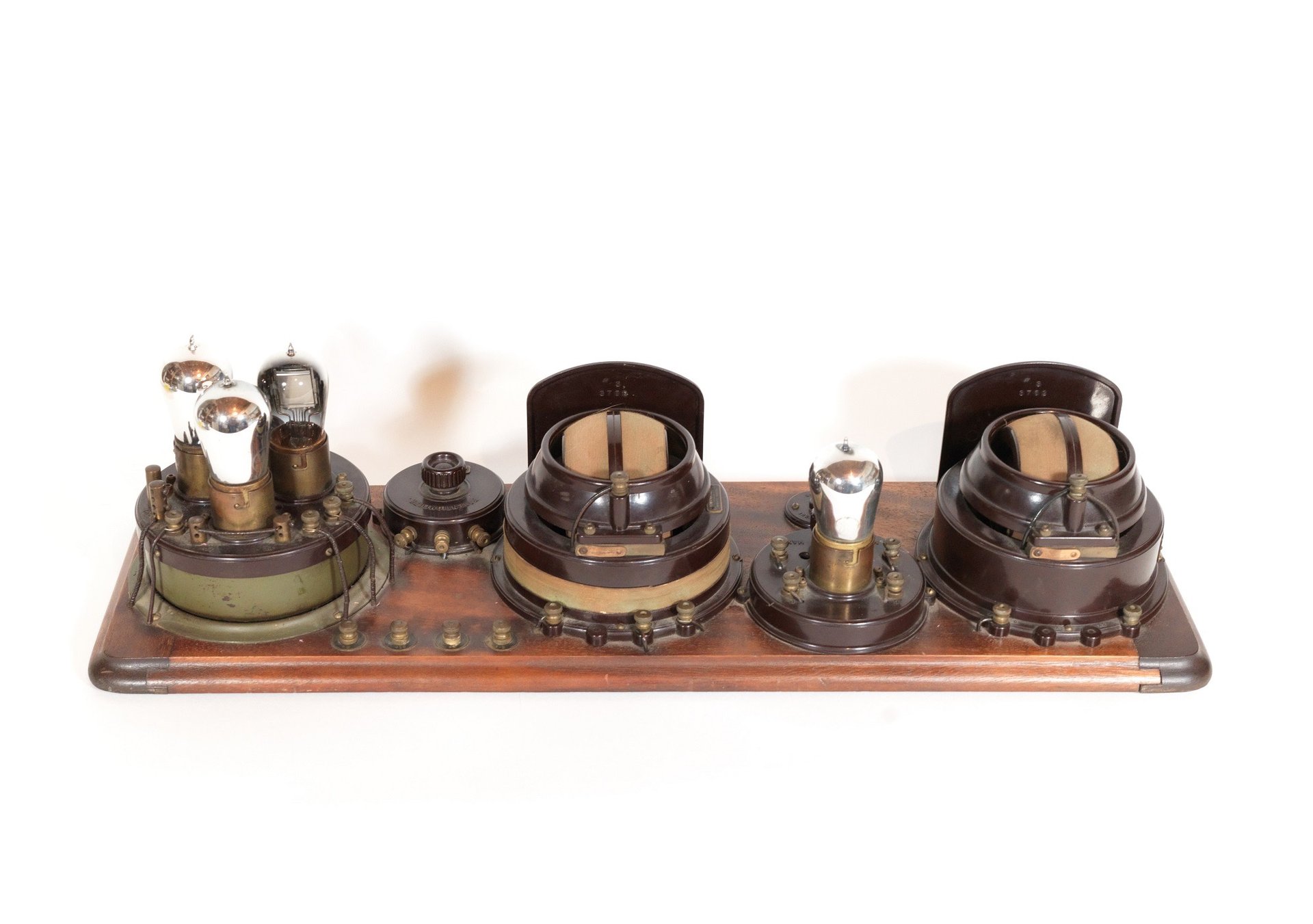
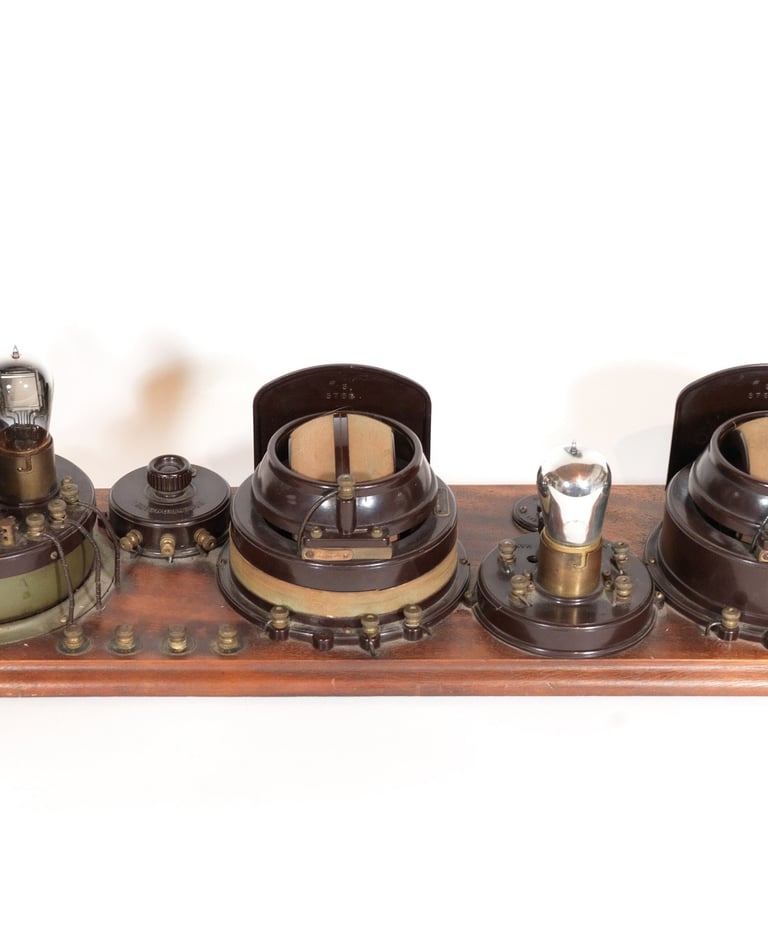
Model 9 Image Courtesy of Grant Kornberg, Technogallerie
Model 9 Image Courtesy of Grant Kornberg, Technogallerie
Model 9 Image Courtesy of Grant Kornberg, Technogallerie
Model 9 Image Courtesy of Grant Kornberg, Technogallerie
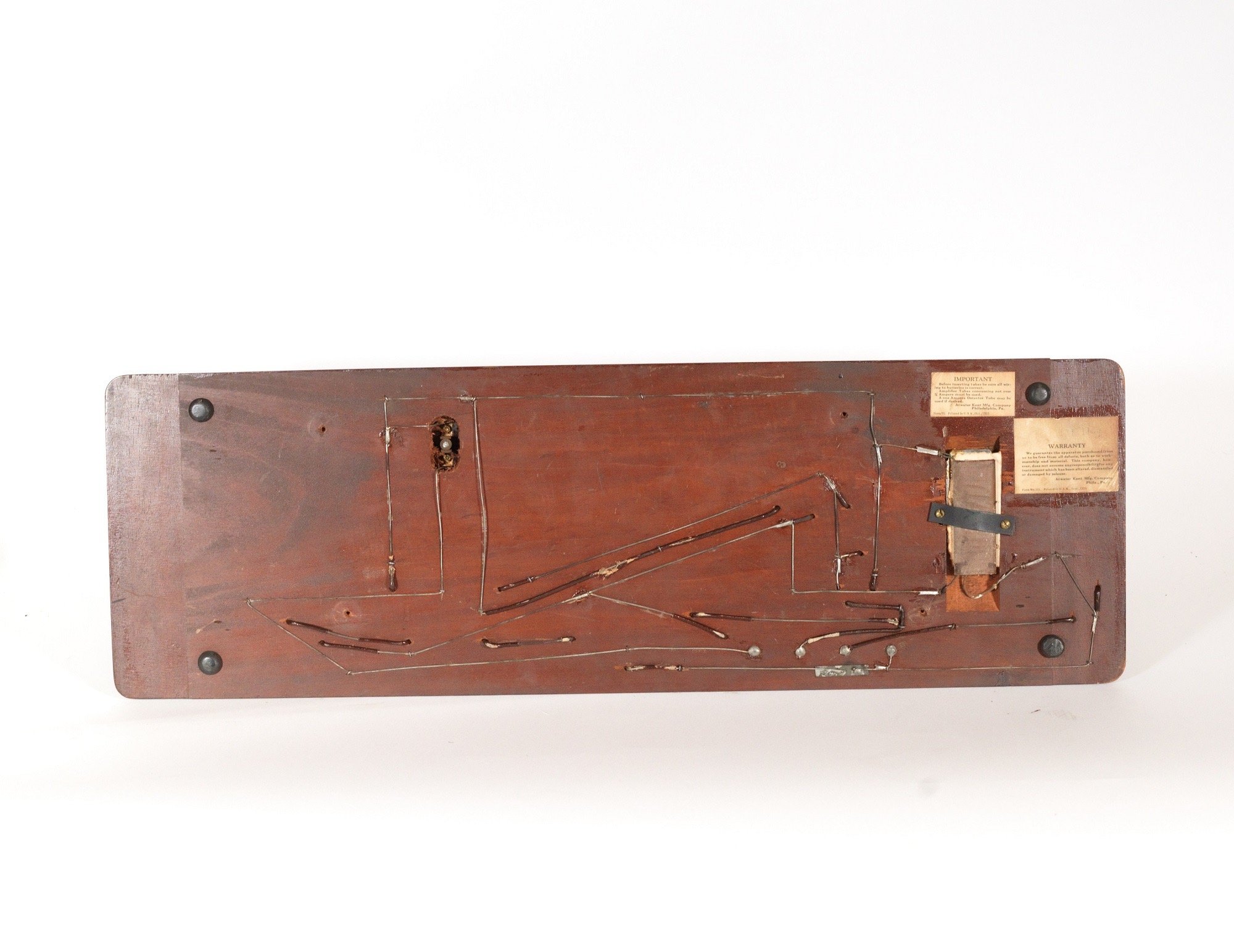
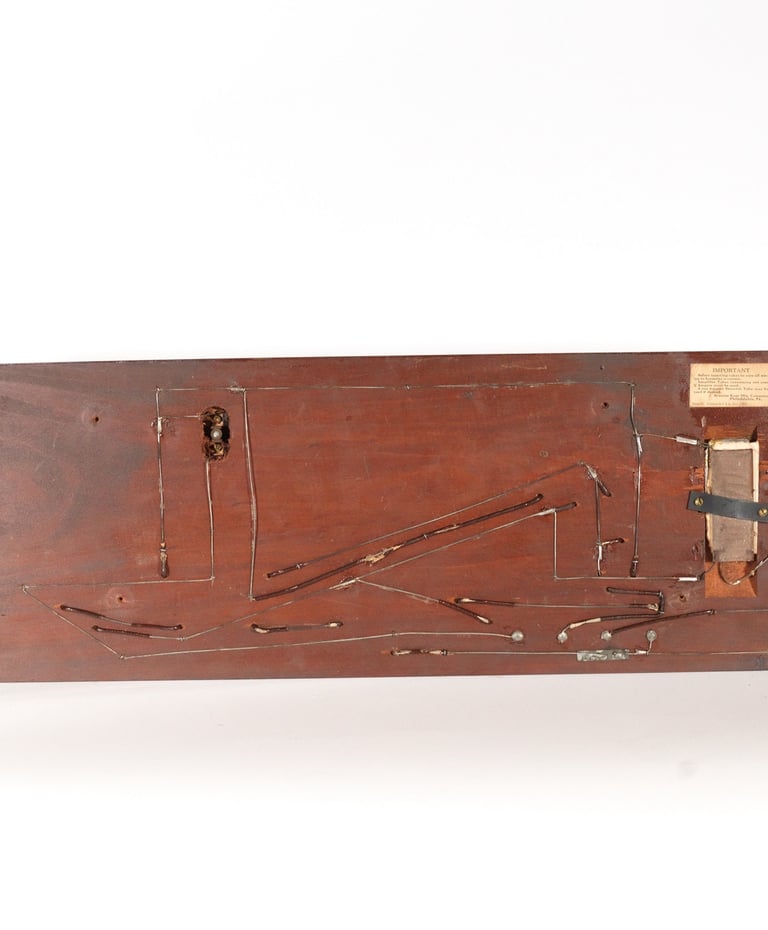
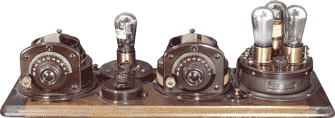
Model 9A Image Courtesy of John Jenkins | Visit the SparkMuseum!
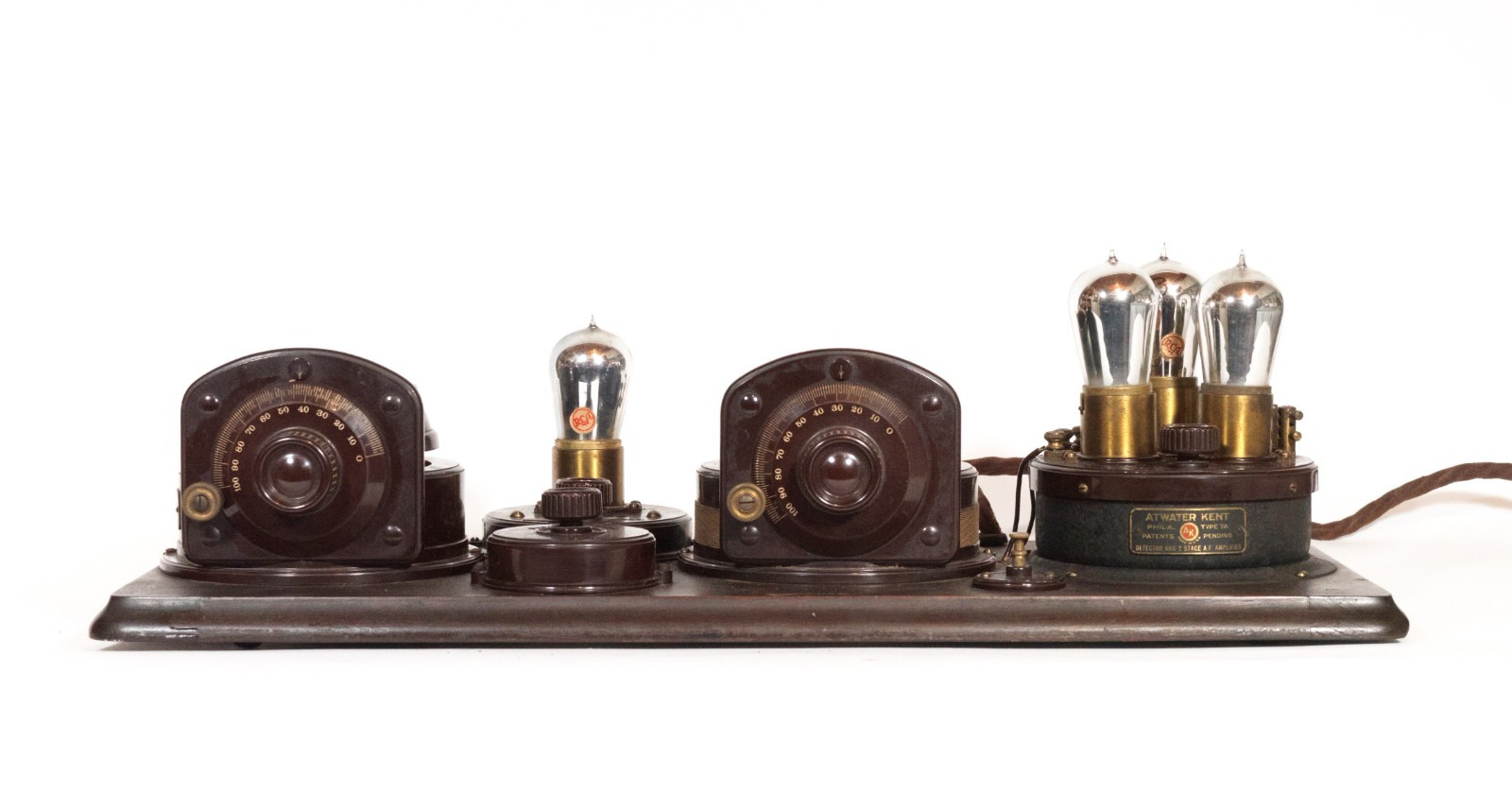
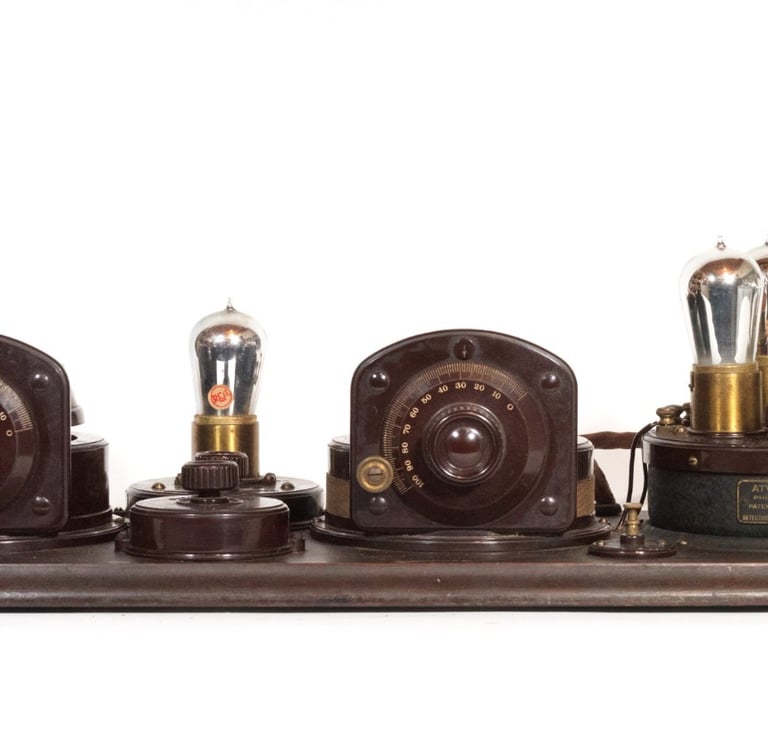
Model 9A Image Courtesy of Grant Kornberg, Technogallerie
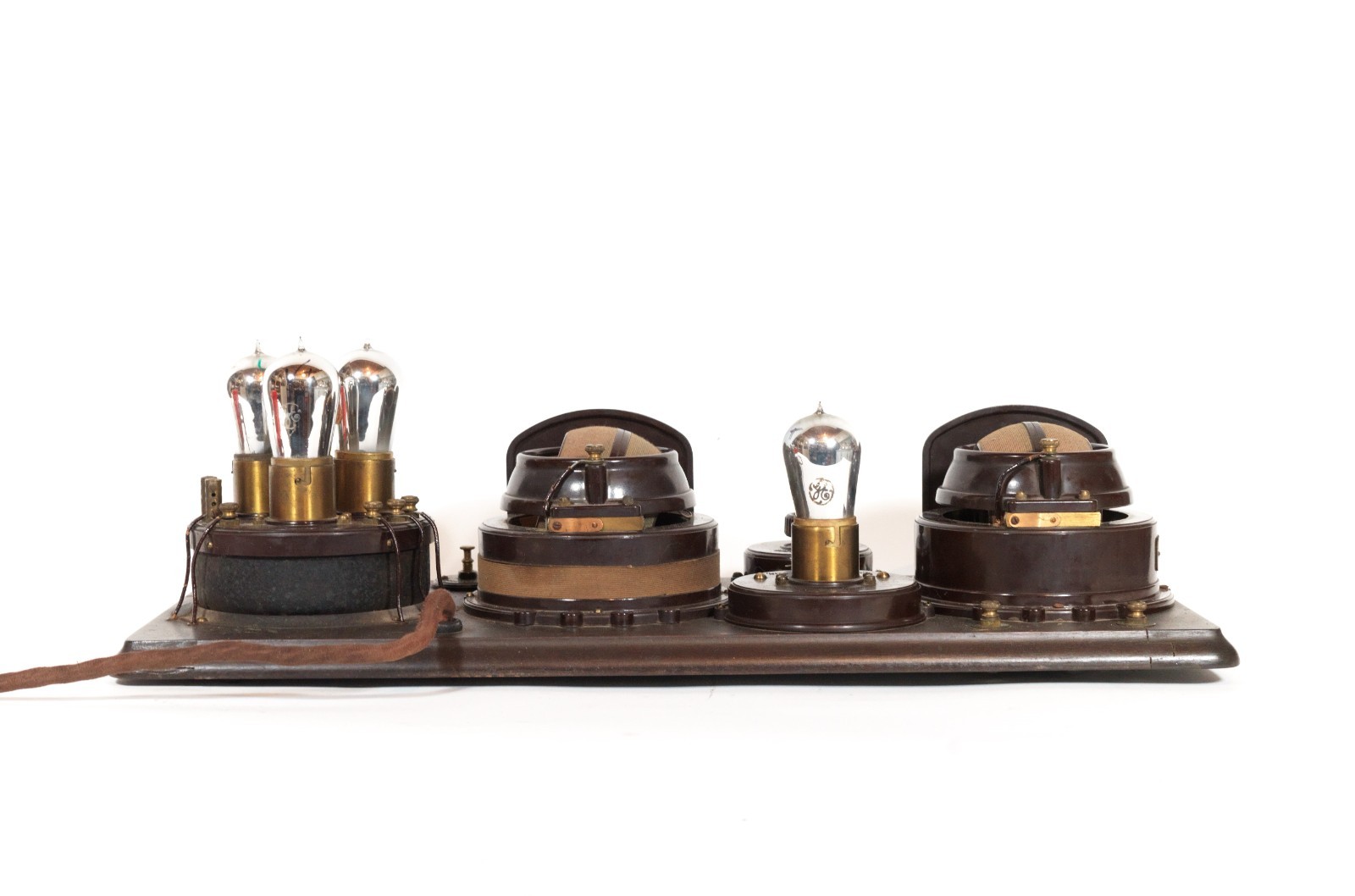
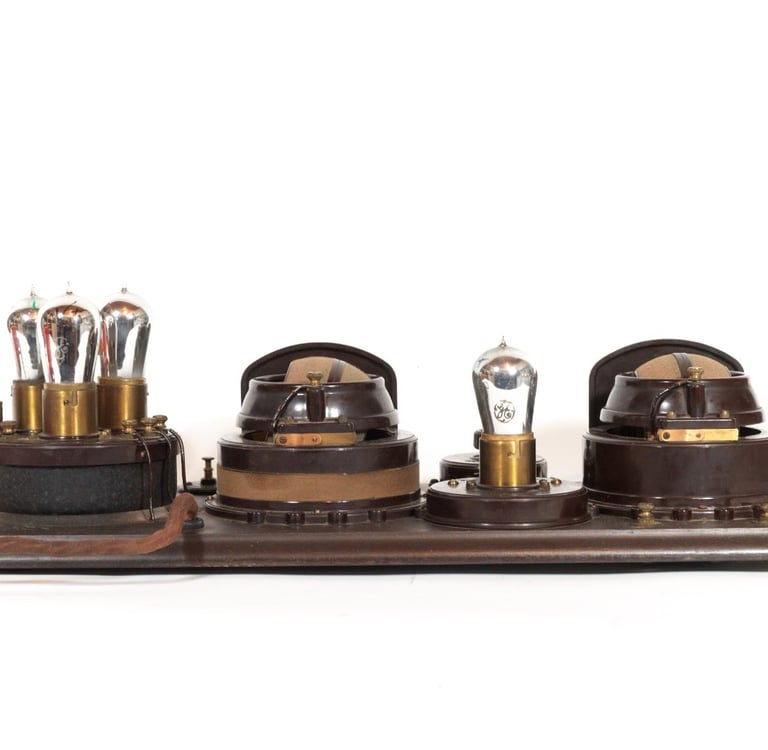
Model 9A Image Courtesy of Grant Kornberg, Technogallerie
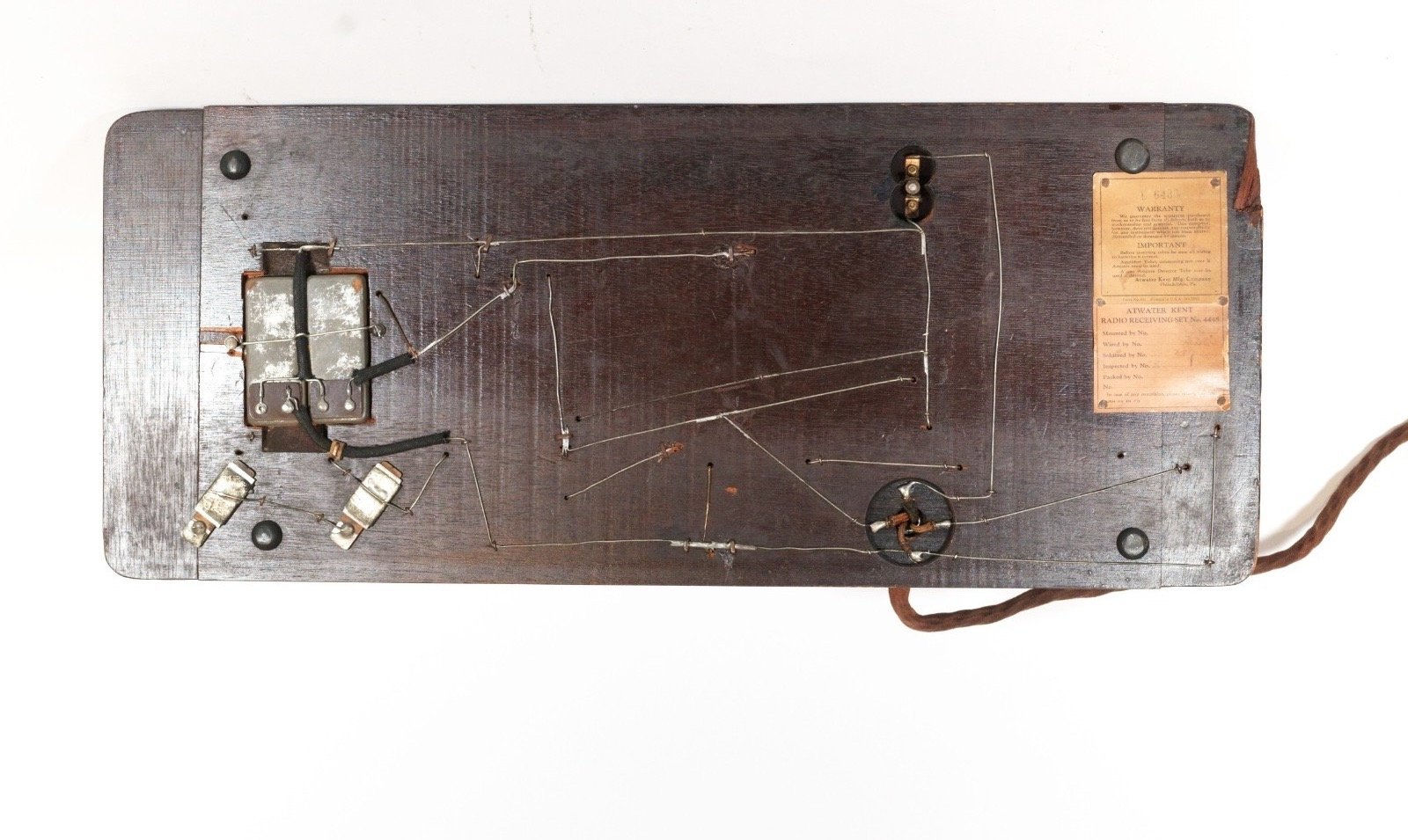
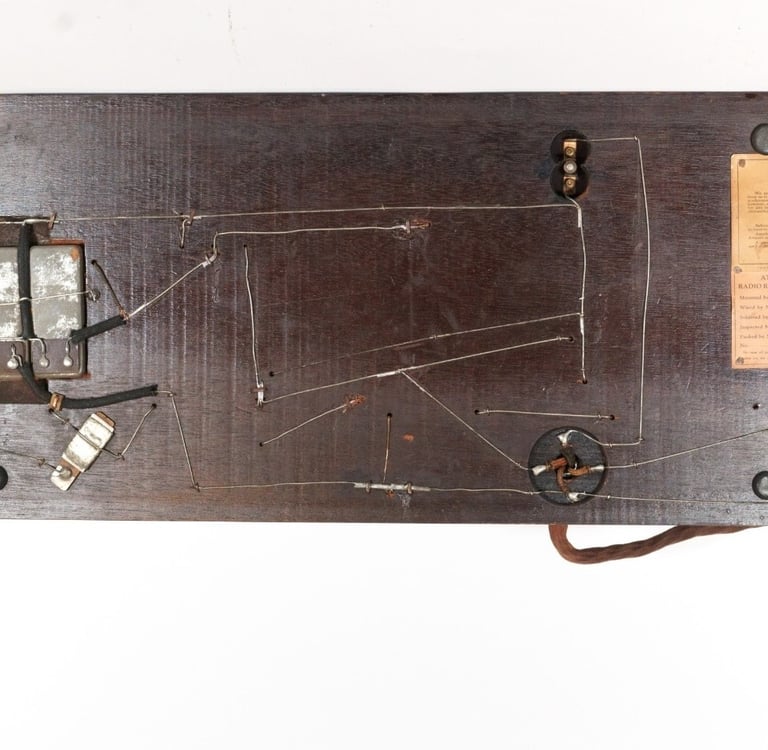
Model 9A Image Courtesy of Grant Kornberg, Technogallerie
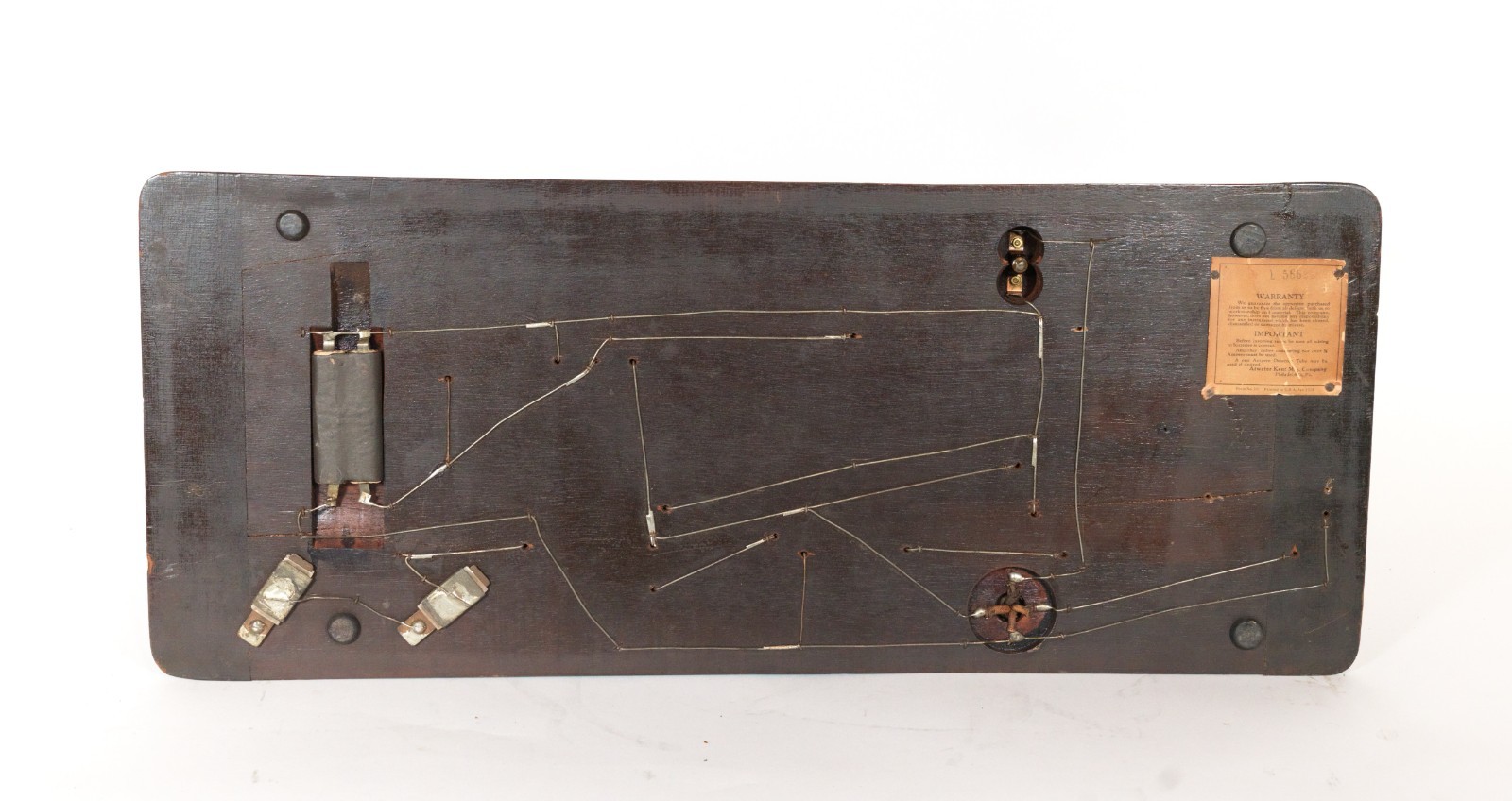
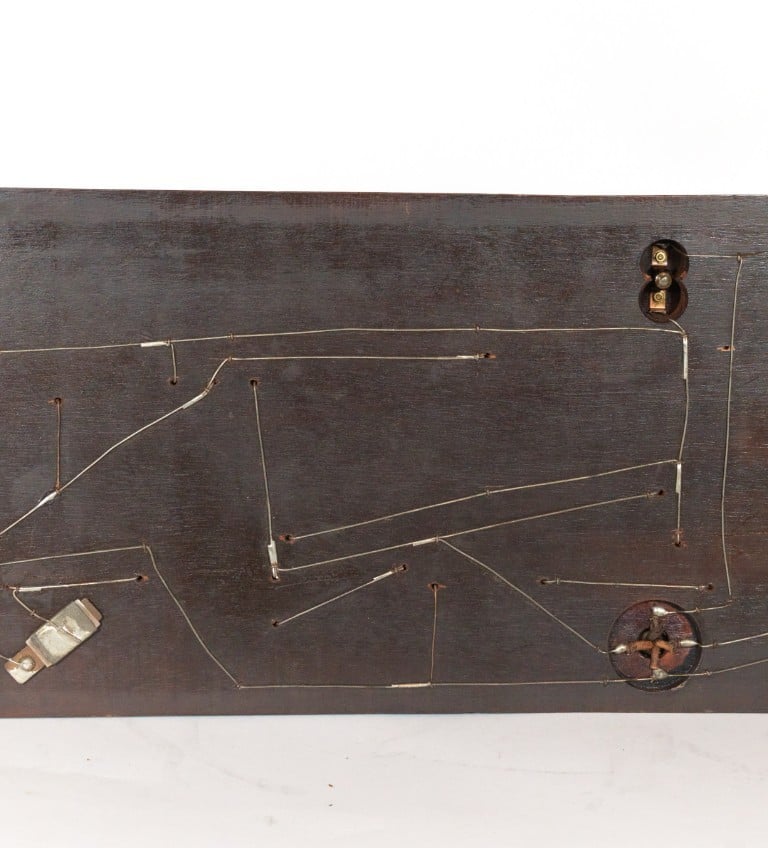
Another Model 9A (Alternative Wiring) Image Courtesy of Grant Kornberg, Technogallerie
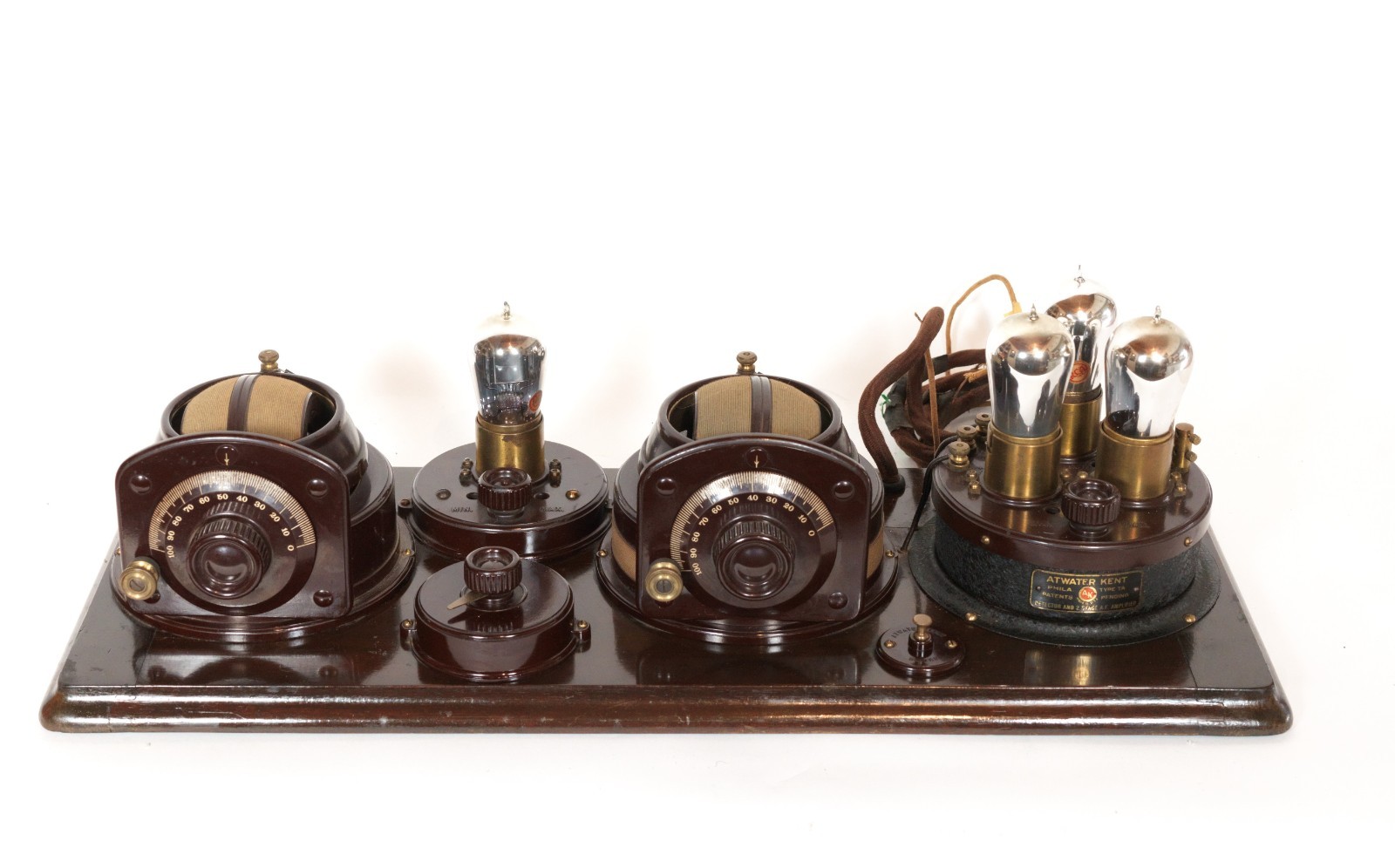
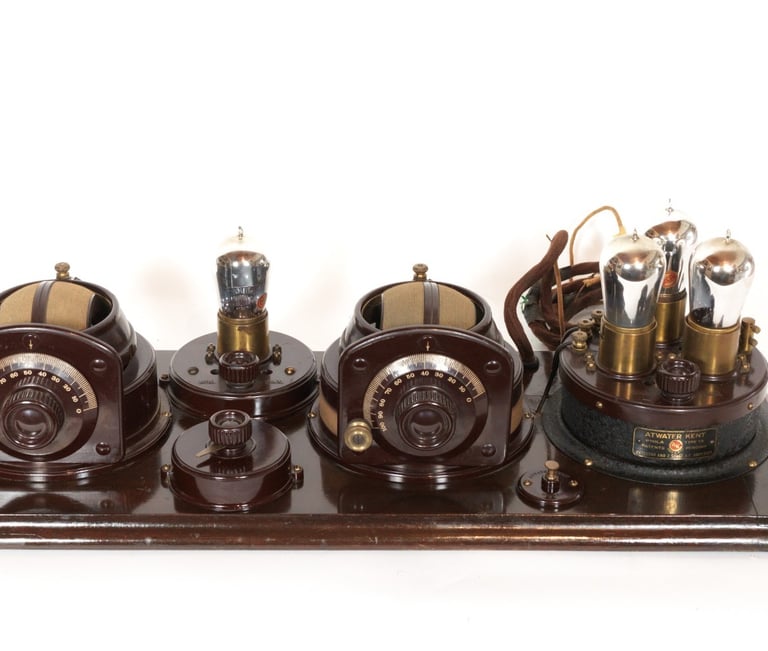
Model 9A Image Courtesy of Grant Kornberg, Technogallerie
The Atwater Kent No. 4445 (Model 9) Receiving Set (known as the "long board" Model 9) was an important transition model, introduced briefly in October 1923 with an original price of $68.00. This set featured a four-tube circuit consisting of one Radio Frequency (RF) amplification stage, a detector, and two Audio Frequency (AF) amplification stages. The Model 9 returned to using a single RF stage, but used two inductive tuners (a Type 11 and a Coupled Circuit tuner), sometimes described as featuring a second variometer, to achieve a quasi-regenerative circuit that Atwater Kent hoped would be an improvement over prior designs without violating the critical regeneration patent.
The Model 4445 was notably short-lived, as it was superseded almost immediately by the Model 9A (Type 4445A), which incorporating an integral wiring harness. The early boards measured 26-1/2" x 10-1/2", later versions were only 24" x 10".
© 2026 Atwaterkent.org. All Rights Reserved. [Terms of Use] [Privacy Policy] [Mobile Page] [CONTACT]